

Key Takeaways
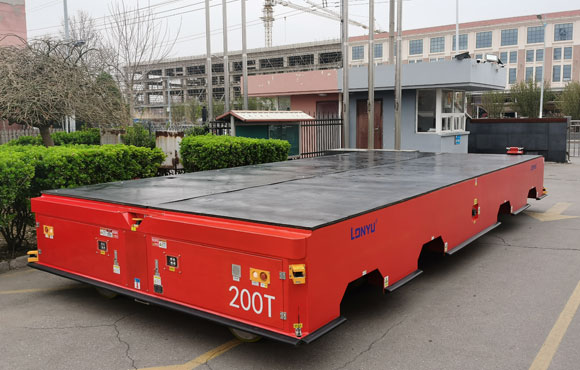
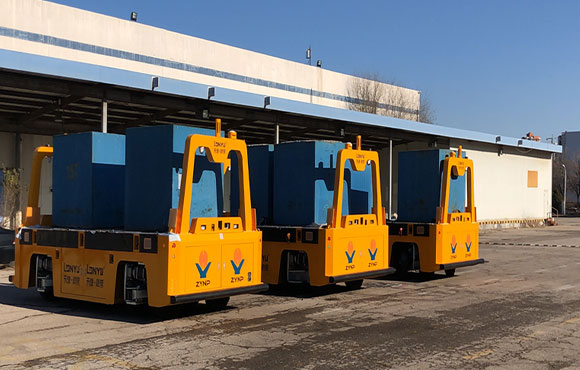
Outdoor unmanned AGVs automate repetitive heavy-material movement between production areas, warehouses, yards, and loading zones.
The performance of agv vehicles depends on payload, ground conditions, navigation, safety, battery strategy, and route planning.
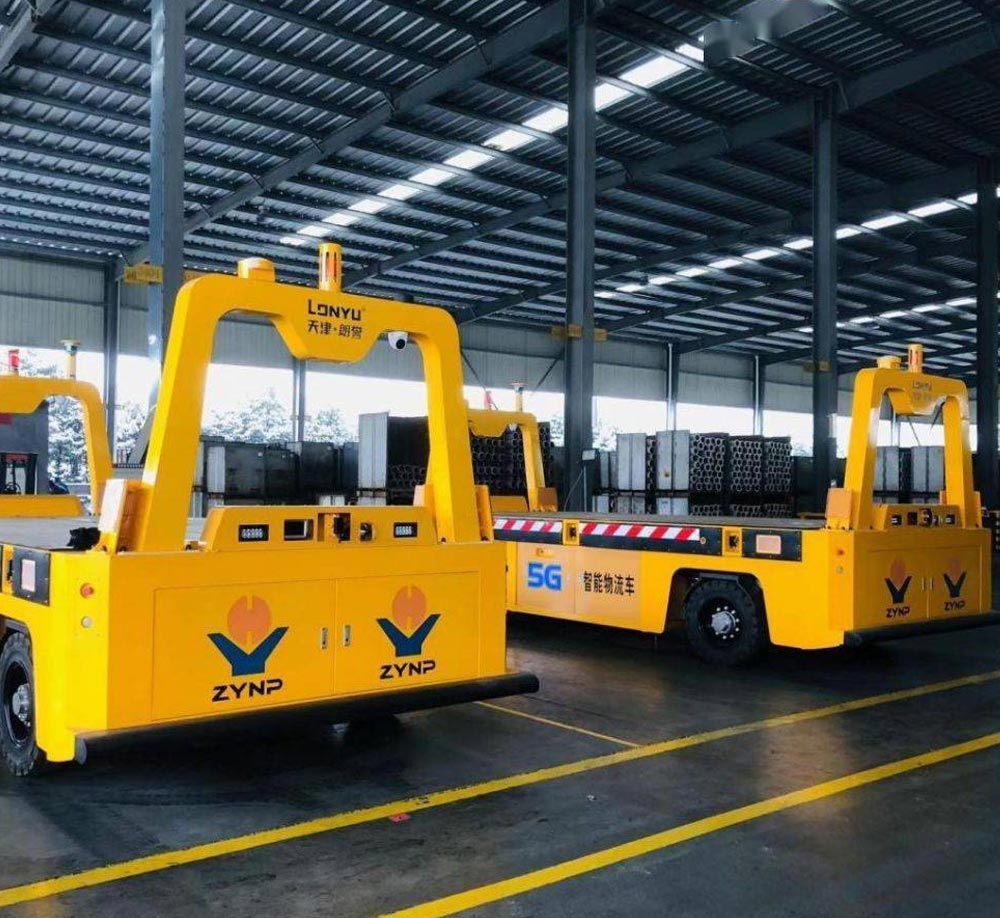
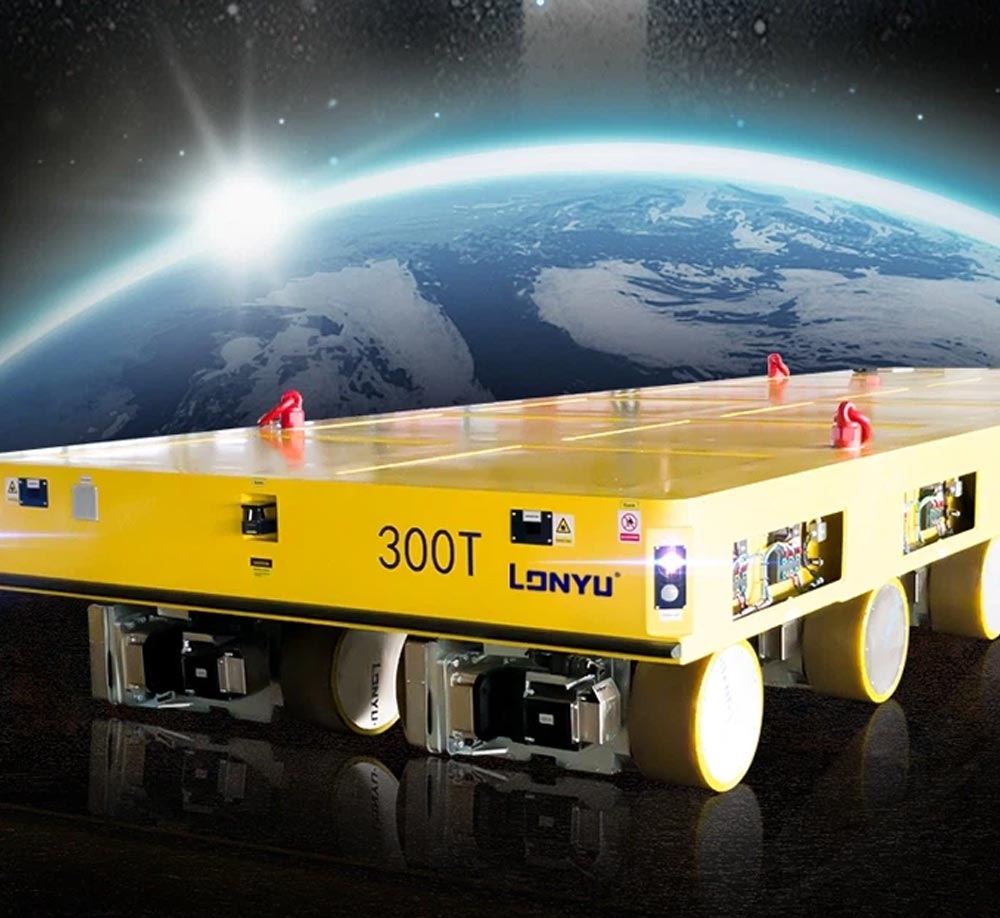
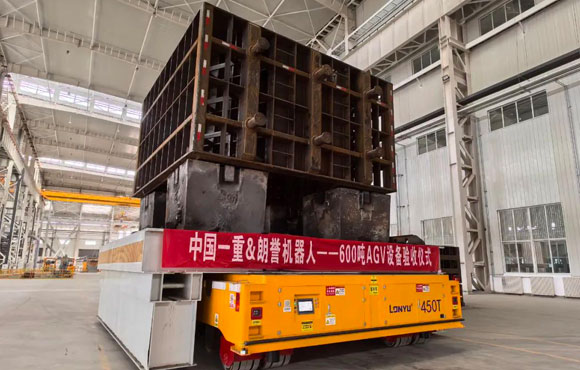
A heavy–duty agv is particularly useful where large loads must be moved repeatedly without relying entirely on manual driving.
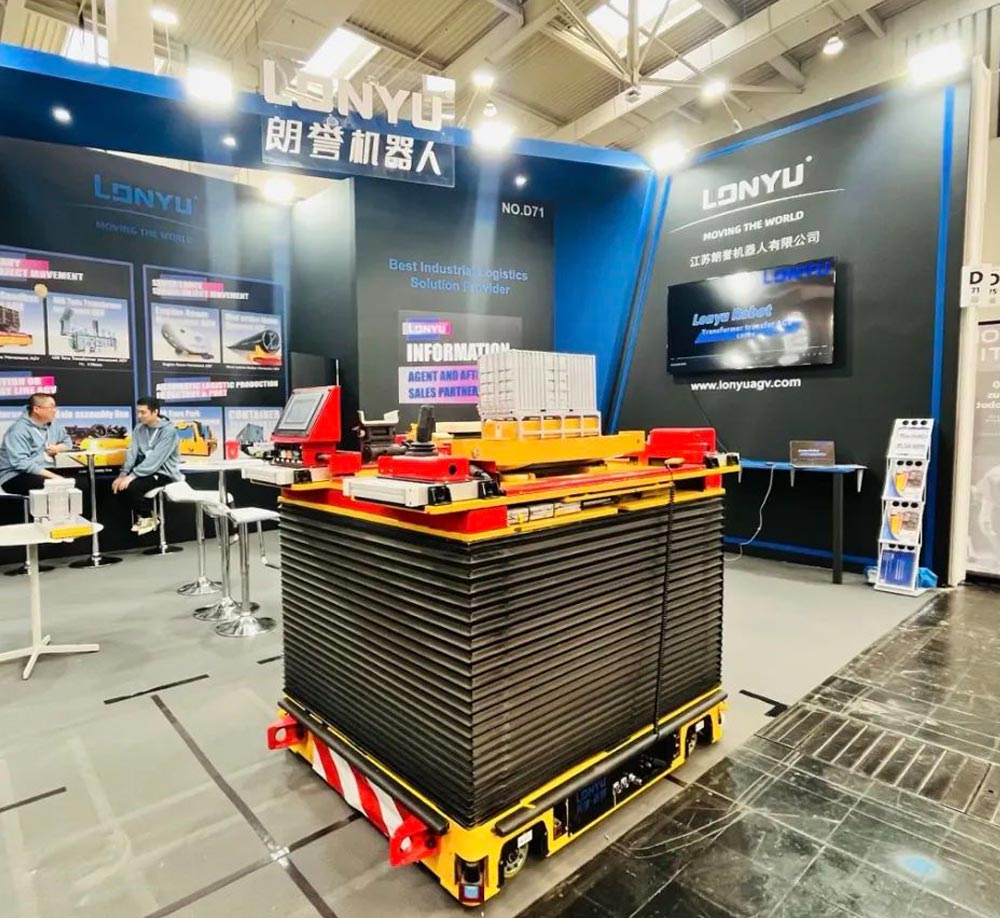
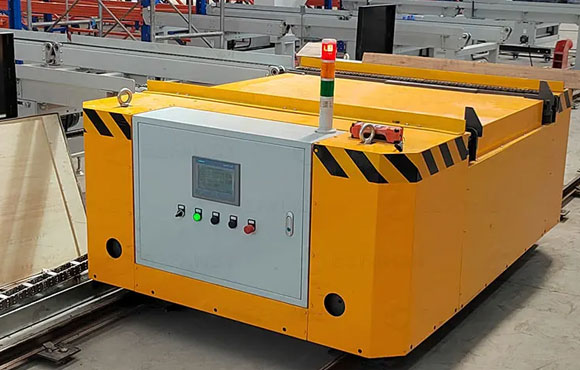
While automated guided vehicles in warehouses are commonly associated with indoor logistics, AGV-based automation can also connect indoor and outdoor material flows.
Introduction
Moving heavy materials within a factory is not just about choosing a capable truck. Frequent transfers between workshops, warehouses, yards, and loading/unloading areas require stable driving performance, suitable ground conditions, smooth starts and stops, and also ensuring operational safety. Businesses often also hope to reduce reliance on people and make material transport more regular and predictable.
An automated guided vehicle (AGV) is an unmanned industrial vehicle designed to transport materials according to programmed routes, navigation instructions, or task schedules. In conventional logistics, AGVs are often associated with structured warehouse operations. However, outdoor applications require additional consideration because road surfaces, weather, lighting, obstacles, and distances can vary significantly.
For heavy-material operations, the objective is therefore not simply to automate driving. It is to create a reliable transportation process in which vehicle capacity, navigation, safety, charging, and dispatching work together.
What Makes Outdoor Unmanned AGVs Suitable for Heavy Material Transportation?
When Does AGV Automation Make Sense?
AGV automation is most practical when material movement is repetitive and relatively predictable. Typical examples include transferring components between production buildings, moving steel products across a plant, transporting containers in a logistics yard, or connecting an outdoor storage area with an indoor production line.
The main advantage of agv vehicles in these situations is process consistency. A vehicle can receive a transport task, follow the configured route, deliver the load, and proceed to another assignment without requiring a driver for every movement.
AGV is not meant to replace all handling equipment. The procurement team should first do the math: how much of the daily transportation involves repetitive tasks, and whether it’s worth automating.
Why Are Outdoor AGVs Different From Warehouse AGVs?
Indoor facilities generally provide controlled floors, lighting, and traffic conditions. Outdoor AGVs may need to deal with asphalt, concrete transitions, changing weather, dust, open spaces, and mixed traffic. These conditions influence navigation, traction, braking, and positioning.
The difference between using an AGV outdoors or automated guided vehicles in a warehouse is significant. While the automation principles may be similar, the vehicle’s structure and navigation path design must be tailored to the specific site conditions.
Which Technical Factors Determine Heavy-Duty AGV Performance?
Payload, Chassis, and Ground Requirements
When choosing a heavy-duty AGV, the rated load is just a starting point. Body weight, wheel pressure, chassis structure, ground clearance, braking performance, turning radius, and ground carrying capacity are all important factors in actual operation performance.
For example, a high-capacity vehicle may require a stronger road surface than a conventional warehouse vehicle. Expansion joints, slopes, uneven surfaces, and narrow turning areas can also influence transport stability and cycle time.
A useful evaluation framework is:
| Evaluation Factor | Why It Matters |
| Payload | Determines whether the vehicle matches the material |
| Ground condition | Influences stability, traction, and wheel wear |
| Turning radius | Determines route feasibility |
| Ground clearance | Helps with surface transitions and obstacles |
| Braking system | Affects safe stopping with heavy loads |
| Operating environment | Determines navigation and protection requirements |
The final requirements should always be confirmed through a site assessment rather than estimated from payload alone.
Navigation and Positioning in Outdoor Environments
Outdoor navigation can use technologies such as GNSS/RTK, laser SLAM, inertial navigation, visual perception, or combinations of these technologies. Multi-sensor approaches can provide additional information when one navigation source becomes less reliable.
Direct sunlight, dust, changing obstacles, road transitions, and temporary route changes should all be considered during testing.
Safety Systems for Heavy Loads
Heavy-load automation also requires a structured safety approach. Safety sensors, emergency stopping, obstacle detection, warning systems, and fail-safe controls should be considered together with operating speed and braking distance.
For comparison, the U.S. Occupational Safety and Health Administration emphasizes that workplace conditions and vehicle type affect powered industrial-truck hazards and that loads must remain within rated capacity and stable during operation.
How Can AGVs Improve Heavy Material Transportation Efficiency?
Reduce Manual Handling and Waiting Time
A major efficiency gain comes from reducing unnecessary manual driving and waiting. In a traditional workflow, operators may spend time traveling back to a pickup point, waiting for instructions, or moving between repeated transport tasks.
An AGV can instead operate according to a predefined task sequence. This makes the transportation process more predictable and can help production teams coordinate material delivery with manufacturing schedules.
The benefit is therefore broader than labor reduction. It can include more consistent transport cycles, better vehicle utilization, and fewer interruptions caused by manual dispatching.
Improve Scheduling Across Multiple Shifts
For repetitive operations, transportation efficiency depends heavily on scheduling. A fleet management system can assign tasks according to priorities, destinations, vehicle status, and route availability.
A typical workflow can be summarized as:
Task Assignment → Material Pickup → Automated Transport → Delivery → Task Completion → Next Assignment
This approach allows companies to measure transportation activity more systematically. Useful indicators can include trips per shift, average transport time, waiting time, battery utilization, and vehicle availability.
Connect Warehouse and Production Material Flows
The role of AGVs can extend beyond a single warehouse. A connected route may run from a warehouse to a production area, continue to an outdoor storage yard, and then reach a loading zone.
This creates an opportunity to connect automated guided vehicles in warehouses with broader factory logistics. Depending on the project architecture, warehouse management systems, enterprise systems, and fleet management software can exchange transport orders and status information.
What Should Buyers Evaluate Before Deploying a Heavy-Duty Outdoor AGV?
Start With a Site and Route Assessment
Before purchasing equipment, procurement and engineering teams should map the complete transportation route. This should include loading and unloading points, road width, turning areas, slopes, floor or road conditions, indoor-outdoor transitions, and potential interaction with people or other vehicles.
The payload should also be defined accurately. A 30-ton component and a 70-ton container may both be described as “heavy loads,” but they can require very different vehicle configurations.
Evaluate Battery and Operating Requirements
Battery selection should reflect the actual transport cycle. Buyers should estimate daily travel distance, operating hours, load frequency, charging opportunities, and the number of shifts.
Possible approaches include conventional charging, automatic charging, opportunity charging, or battery replacement. The appropriate choice depends on the operating schedule and project design.
Consider TCO Rather Than Vehicle Price Alone
The purchase price is only one part of the investment. A more useful calculation includes the vehicle, charging equipment, navigation infrastructure, software, commissioning, maintenance, battery lifecycle, and wear parts.
A simple project evaluation can therefore follow:
Site Survey → Transport Analysis → Vehicle Selection → Route & Safety Setup → Commissioning → Performance Monitoring
This sequence helps prevent a common mistake: selecting a vehicle first and discovering later that the site or transport process requires major modification.
Product Example: Lonyu LY-3-100T-612-B Outdoor Unmanned AGV
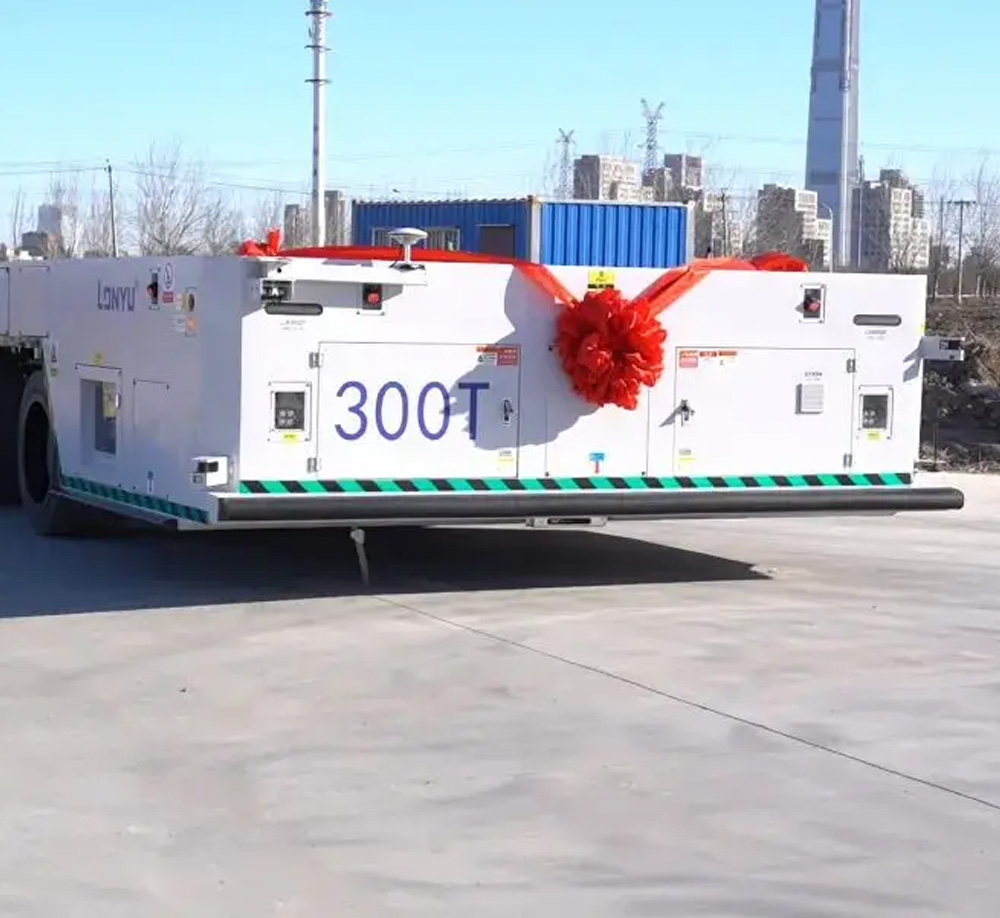
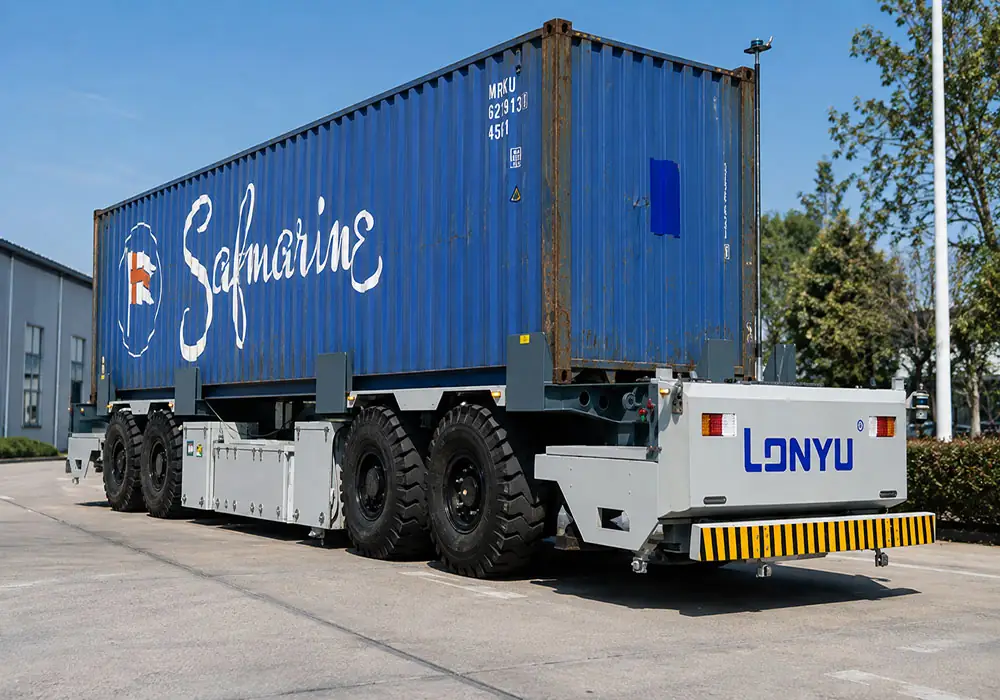
For heavy-material transportation projects that require unmanned outdoor operation, the Lonyu LY-3-100T-612-B is designed as an outdoor unmanned flatbed AGV for large-scale industrial material handling. According to the manufacturer’s product information, its single-unit payload is listed as 65 tons/35 tons, with a vehicle size of approximately 15.8 m × 2.7 m × 1.5 m. The platform is designed to handle 20-foot containers, 40-foot and 45-foot containers, depending on the configured application.
Key Specifications of the LY-3-100T-612-B
| Parameter | Specification |
| Single-unit payload | 65 tons / 35 tons |
| Chassis | 8×4 |
| Ground clearance | Up to 400 mm |
| Battery | ≥282 kWh LiFePO4 |
| Navigation | GNSS/RTK + INS + Laser SLAM + Visual Navigation |
| Braking | Ventilated disc hydraulic brakes |
| Tires | 14.00-24 with tire-pressure monitoring |
| Protection | IP65 |
Navigation and Heavy-Load Transport Capabilities
The vehicle combines GNSS/RTK, inertial navigation, laser SLAM, and visual navigation to support outdoor and indoor positioning requirements. Lonyu describes GNSS as the main navigation method for outdoor operation, while SLAM is used as the main navigation method indoors, with inertial and visual navigation providing assistance.
Its chassis uses an 8×4 configuration with heavy-duty suspension, electro-hydraulic steering, hydraulic disc brakes, and 14.00-24 tires with tire-pressure monitoring. The product information also states a maximum ground clearance of 400 mm, which is relevant when evaluating routes with different surface conditions.
Typical Application Scenarios
The manufacturer lists several heavy-material transportation applications for this model, including 65-ton container horizontal transportation at Beibu Gulf Port and Tianjin Port, 35-ton energy-storage container transportation, and 70-ton steel-coil horizontal transportation in a steel mill. These applications share a common requirement: moving large loads repeatedly across industrial sites without relying entirely on conventional manual driving.
For buyers evaluating a heavy–duty agv, the more important consideration is therefore whether the vehicle’s payload, dimensions, navigation system, charging method, and chassis configuration match the actual transport route and material-handling requirements. The LY-3-100T-612-B can be considered where high-capacity outdoor transport is a core requirement, subject to project-specific technical assessment.
FAQ
What is the difference between an outdoor AGV and an AMR?
A: Both can automate material transportation, but they are designed around different navigation concepts. AGVs are commonly used for structured and repeatable transportation, while AMRs generally emphasize more dynamic route planning. For heavy industrial applications, the actual route, payload, environment, and safety requirements matter more than the terminology alone.
What site conditions should be checked before installing a heavy-duty AGV?
A: Check ground bearing capacity, surface condition, slope, road width, turning space, loading points, indoor-outdoor transitions, and interactions with pedestrians or other vehicles. For very heavy loads, engineering verification of point loading and road conditions is particularly important.
Can outdoor AGVs work with warehouse management systems?
A: Yes. An AGV project can use fleet management software as a coordination layer between transport vehicles and systems such as WMS or ERP. Task information can then be transferred to the fleet system and returned as transportation status data. The exact integration method depends on the customer’s software architecture.
How can a heavy-duty AGV reduce transportation costs?
A: It can reduce dependence on repetitive manual driving, improve transport consistency, increase vehicle utilization, and support more structured multi-shift operations. However, the actual return depends on route distance, transport frequency, labor costs, infrastructure, maintenance, and system utilization.
Conclusion
Outdoor AGV automation is most valuable when heavy-material transportation is repetitive, measurable, and suitable for structured task scheduling. The right solution requires more than sufficient payload capacity: ground conditions, navigation, safety, battery strategy, route design, and system integration all influence the final result.
For manufacturers, ports, logistics yards, and other facilities moving heavy loads outdoors, an appropriately configured heavy–duty agv can provide a practical path toward more consistent and less manually dependent material transportation. If you are planning to automate heavy-material transportation, contact Lonyu Robot to discuss an outdoor unmanned AGV solution tailored to your load, route, and operating requirements.