

Key Takeaways
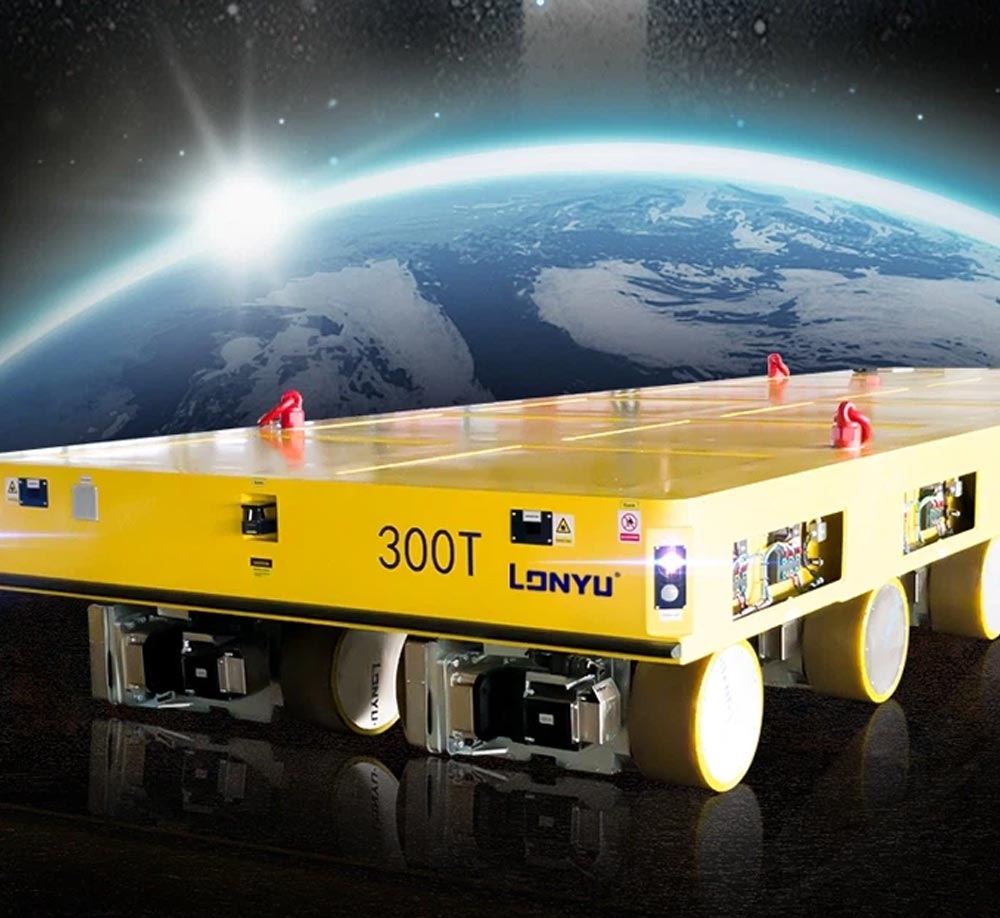
Trackless transfer carts provide a flexible approach for moving heavy components without installing permanent rail systems.
An industrial transfer cart can help manufacturers improve internal transportation efficiency when handling oversized materials and complex production layouts.
Heavy-duty transfer carts are designed for demanding industrial environments where load capacity, stability, and customization are key factors.
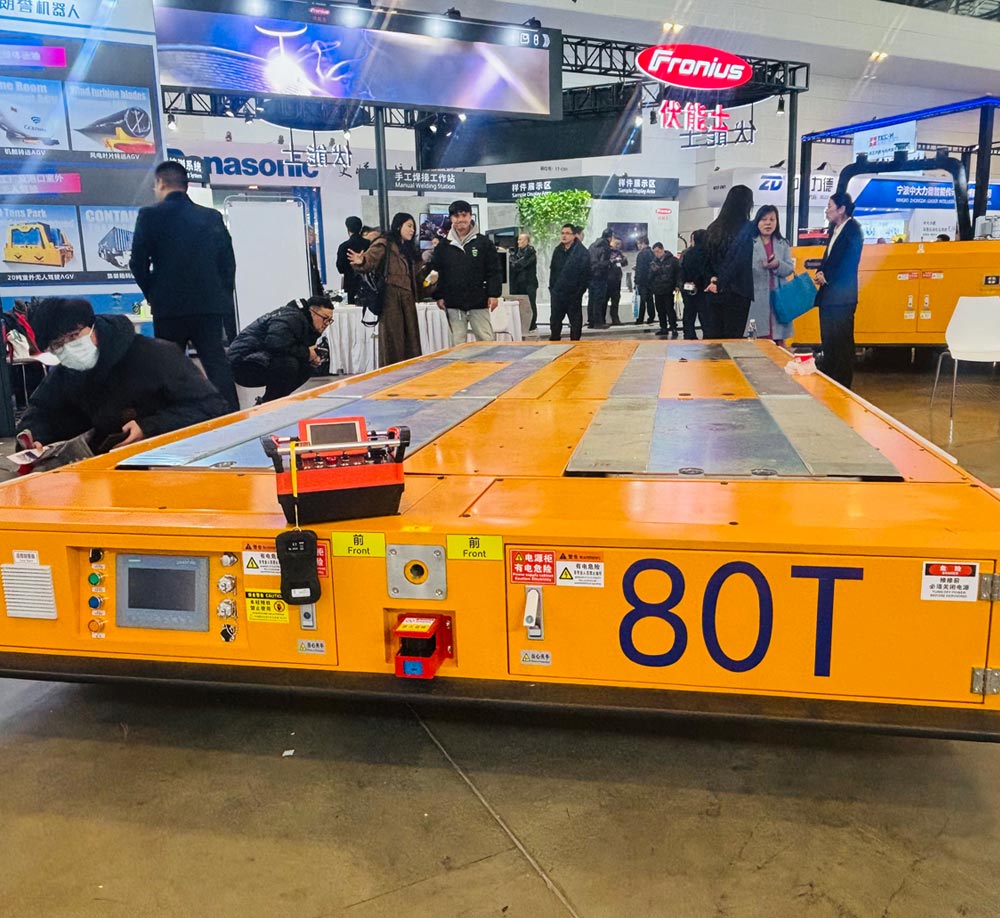
A motorized transfer cart provides powered movement for heavy materials, while an AGV transfer cart can further support automated factory logistics.
Why Do Manufacturers Need More Flexible Heavy Load Transportation Solutions?
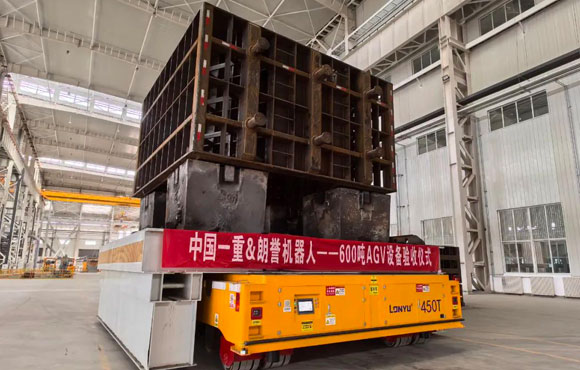
Heavy material transportation is a common challenge in industries such as equipment manufacturing, energy production, steel processing, and large-scale assembly. Many factories need to move oversized components that are difficult to handle with conventional transportation methods.
Traditional handling equipment, including forklifts and cranes, remains useful for many applications. However, these methods may face limitations when transporting extremely heavy or large components over long distances inside a facility. For example, forklifts require suitable road conditions and operating space, while cranes often depend on fixed lifting areas and additional coordination.
According to the U.S. Bureau of Labor Statistics (BLS), transportation and material moving occupations accounted for a significant number of workplace injuries, highlighting the importance of improving material handling safety in industrial environments.
As manufacturing plants become more flexible and production layouts change more frequently, companies increasingly require transportation equipment that can adapt to different routes and working environments. This has created a demand for solutions such as an industrial transfer cart, which can provide controlled movement for heavy loads while reducing dependence on traditional handling methods.
Challenges of Traditional Heavy Material Handling Methods
Before selecting a transportation solution, manufacturers usually need to consider several practical factors:
- Heavy components may exceed the practical handling capacity of standard vehicles.
- Fixed transportation systems may limit future factory layout changes.
- Manual handling operations may increase labor requirements and safety risks.
A suitable heavy-duty transportation system should not only be able to withstand high loads, but also operate stably, move flexibly, and be compatible with the current production environment.
How Trackless Transfer Cart Improves Heavy Load Transportation Flexibility
Trackless transport vehicles are electrically powered transport devices that can move heavy materials without fixed tracks. Unlike traditional track systems, they can move freely within the workshop according to production needs.
The absence of track restrictions is its biggest advantage. This allows manufacturers to adjust transport routes when production areas change, equipment locations are moved, or new processes are introduced.
Transportation Without Fixed Rails
One of the main advantages of a trackless system is route flexibility. Traditional rail-based transportation requires installation work before operation, which may increase construction requirements and reduce layout flexibility.
A trackless solution allows factories to:
- Modify transportation routes more easily.
- Reduce dependence on fixed infrastructure.
- Adapt transportation plans for different production stages.
This flexibility is particularly valuable for facilities that manufacture large equipment or handle different products within the same production area.
Flexible Movement in Complex Industrial Environments
Heavy components are not always transported through simple straight paths. Manufacturing plants may include narrow passages, changing work zones, and multiple handling points.
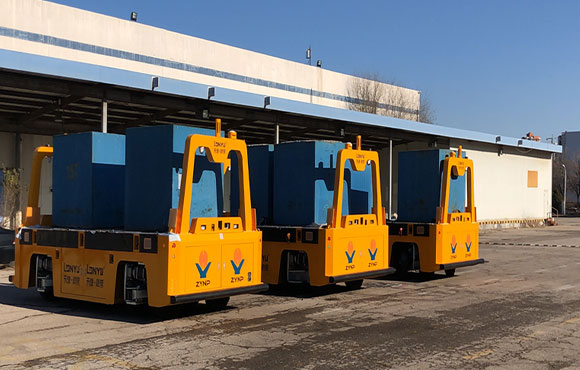
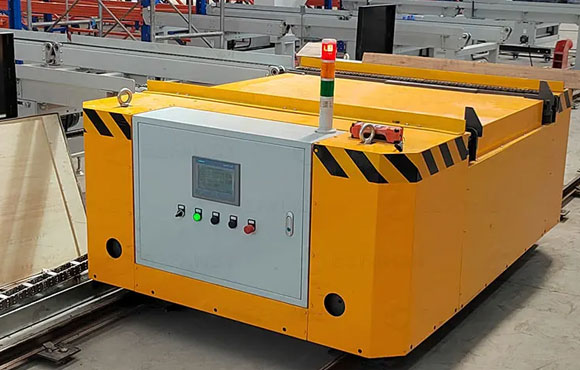
A modern motorized transfer cart uses an electric drive system and steering mechanism to support controlled movement. Depending on the design, the vehicle can be configured for different operating requirements, including directional control, customized platforms, and specific load conditions.
Compared with fixed-route transportation equipment, trackless solutions can provide more options for factories that need adaptable internal logistics.
Indoor and Outdoor Heavy Material Transportation
Industrial transportation needs are often not limited to the workshop. Large components frequently need to be moved between production areas, storage areas, and outdoor loading and unloading areas.
Whether a well-designed trackless system can handle both indoor and outdoor conditions depends on floor conditions, environmental factors, and proper vehicle configuration.
Typical application environments include:
| Application Area | Transportation Requirements |
| Equipment manufacturing plants | Moving large machine components during assembly |
| Energy equipment facilities | Handling oversized industrial parts |
| Steel and fabrication workshops | Transporting heavy structures and materials |
| Outdoor industrial yards | Moving components between working areas |
Key Factors to Consider When Selecting Heavy-Duty Transfer Carts
Choosing transportation equipment requires more than considering maximum load capacity. Manufacturers need to evaluate how the equipment will operate within their specific production environment.
Load Capacity and Customized Transportation Design
Load capacity is one of the first factors considered when selecting heavy-duty transfer carts. However, the actual application usually involves more than weight.
Important factors include:
| Selection Factor | Why It Matters |
| Payload capacity | Determines whether the cart can safely transport required materials |
| Platform dimensions | Ensures compatibility with component size |
| Load distribution | Improves stability during movement |
| Working environment | Affects wheel, power, and protection requirements |
Customized platform structures may be required for special components, especially when transporting large industrial equipment with irregular shapes.
Power System and Operation Requirements
Different production environments may require different power solutions. Battery-powered systems are commonly considered where flexible movement is needed, while other applications may require alternative power configurations.
The selection process should consider:
- Operating frequency.
- Transportation distance.
- Charging requirements.
- Continuous working time.
Choosing the right power system ensures stable operation and reduces unnecessary problems during production.
Wheel Design and Floor Protection
For heavy transportation applications, wheel design is another important consideration. The wheels must support the load while maintaining stable movement and minimizing pressure on the factory floor.
Manufacturers should evaluate:
- Floor conditions.
- Load distribution.
- Operating speed.
- Turning requirements.
These factors directly affect transportation safety and long-term equipment performance.
How to Choose the Right Trackless Transfer Cart for Your Application?
Selecting suitable heavy transportation equipment requires a clear understanding of operational requirements. A proper evaluation process can help manufacturers avoid choosing equipment that does not match their actual working conditions.
Evaluate Transportation Requirements
Before selecting equipment, manufacturers should review several factors:
- Maximum load weight.
- Component size and shape.
- Transportation distance.
- Indoor or outdoor operating conditions.
For example, transporting a large machine component inside a workshop may require different specifications compared with moving materials across an outdoor industrial area.
Determine the Required Automation Level
Different factories may have different expectations for automation.
A basic solution may focus on manual control and reliable transportation, while more advanced systems may require automated navigation and integration with factory logistics systems.
The selection can include:
| Automation Level | Suitable Application |
| Manual-controlled transfer cart | Basic heavy material movement |
| Motorized transfer cart | Powered transportation with operator control |
| Automated transfer solution | Smart factory logistics and automated handling |
Evaluate Manufacturer Capability and Custom Support
For heavy transportation equipment, customization capability is often an important consideration. Manufacturers should evaluate whether a supplier can provide:
- Engineering support.
- Customized structural design.
- Testing according to application requirements.
- Technical service after delivery.
A suitable supplier should understand not only the equipment itself but also the production environment where it will be used.
Heavy-Duty AGV System for Wind Turbine Main Engine and Drive System Handling
After understanding the flexibility and technical requirements of heavy material transportation, a practical solution needs to match the actual challenges of oversized component handling.
For wind turbine manufacturing and large energy equipment production, transporting main engines and drive systems requires equipment with high load capacity, stable operation, and the ability to work across different production areas.
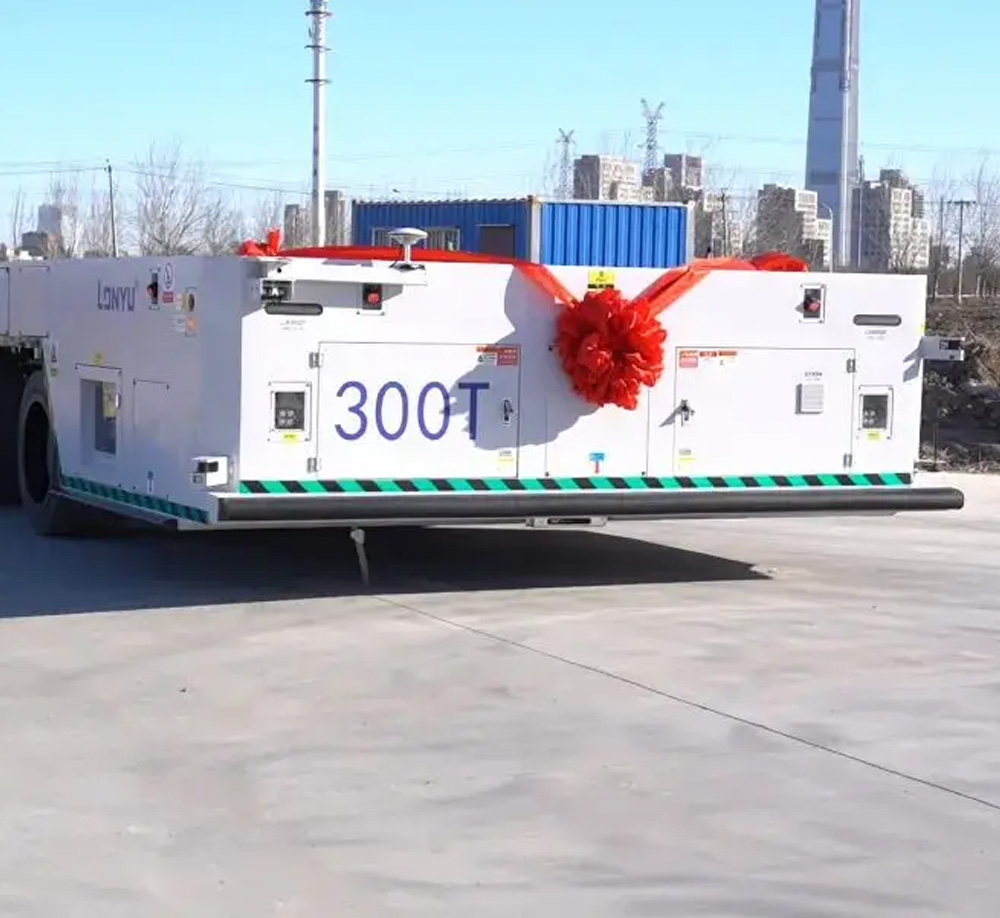
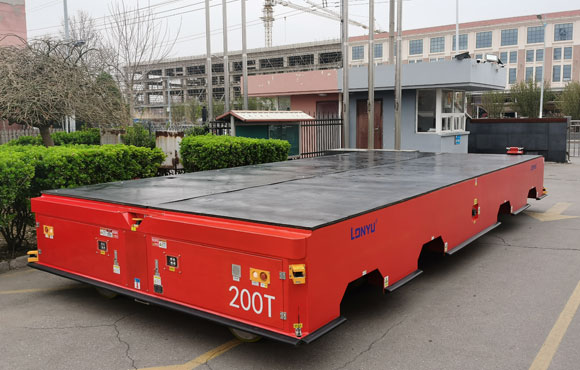
The heavy-duty AGV system designed for indoor and outdoor handling of wind turbine main engines and drive systems is developed for this type of application. The system combines trackless transportation capability with automated operation, allowing large components to be moved between workshops, assembly areas, and outdoor handling zones.
Designed for Ultra-Heavy Wind Turbine Component Transportation
Unlike standard material handling equipment, this solution is designed for extremely heavy industrial components.
The product model 24111A supports a rated load of 200 tons, with a vehicle weight of 30 tons. Its maximum dimensions reach 8210 mm × 3620 mm × 885 mm, making it suitable for transporting large-scale components that require stable support during movement.
The low-profile structure and 200 mm lifting stroke help the equipment position and transfer heavy components during manufacturing processes.
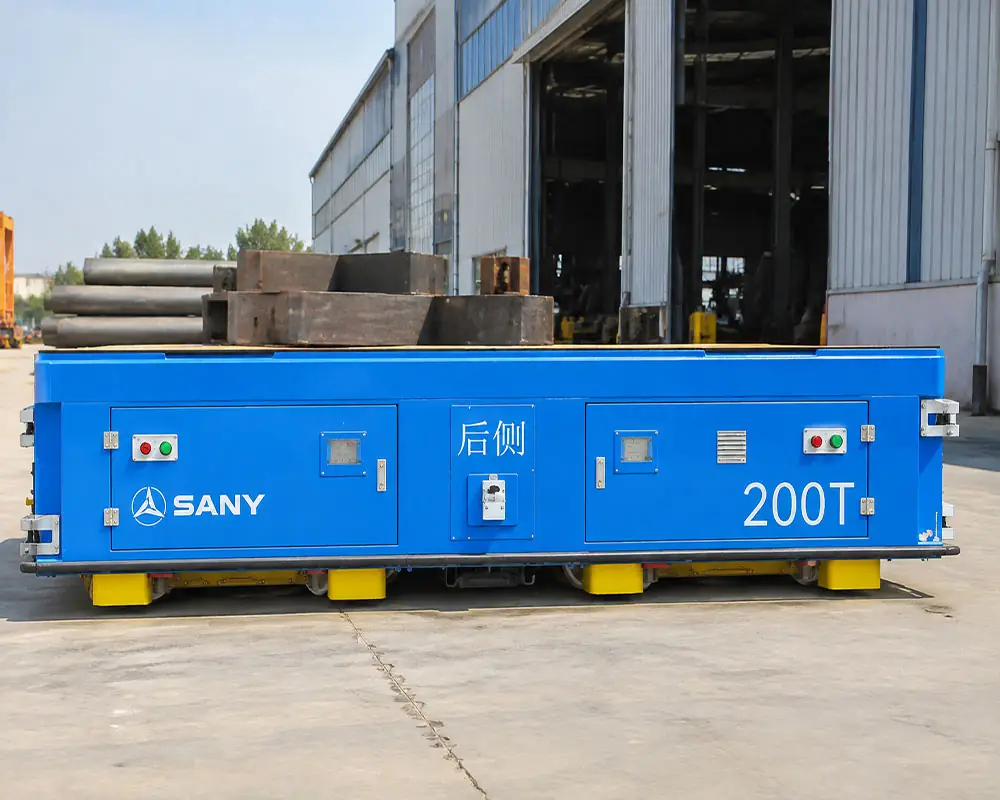
Key specifications include:
| Feature | Details |
| Rated load | 200 tons |
| Drive system | Low-voltage servo motor with independent servo controller |
| Suspension | Hydraulic suspension |
| Battery | Lithium iron phosphate battery |
| Operating environment | Indoor and outdoor |
| Navigation accuracy | ±10 mm |
Supporting Flexible Indoor and Outdoor Transportation
One challenge in wind turbine manufacturing is that large components often need to move between different production stages. Transportation routes may include factory workshops, assembly areas, and outdoor storage locations.
This heavy-duty AGV system is designed for both indoor and outdoor operation. It supports forward, reverse, left, and right movement, allowing operators and control systems to manage transportation in complex industrial environments.
Compared with fixed rail transportation solutions, this type of trackless design can reduce dependence on permanent infrastructure and provide more flexibility when production layouts change.
Combining Heavy Load Capability with Automated Control
For large and valuable components, transportation stability and safety are critical.
This product integrates several control and protection functions, including:
- Automatic operation mode.
- Magnetic stripe navigation.
- Laser obstacle avoidance sensors.
- Contact collision protection.
- Audible and visual warning systems.
- Emergency stop protection.
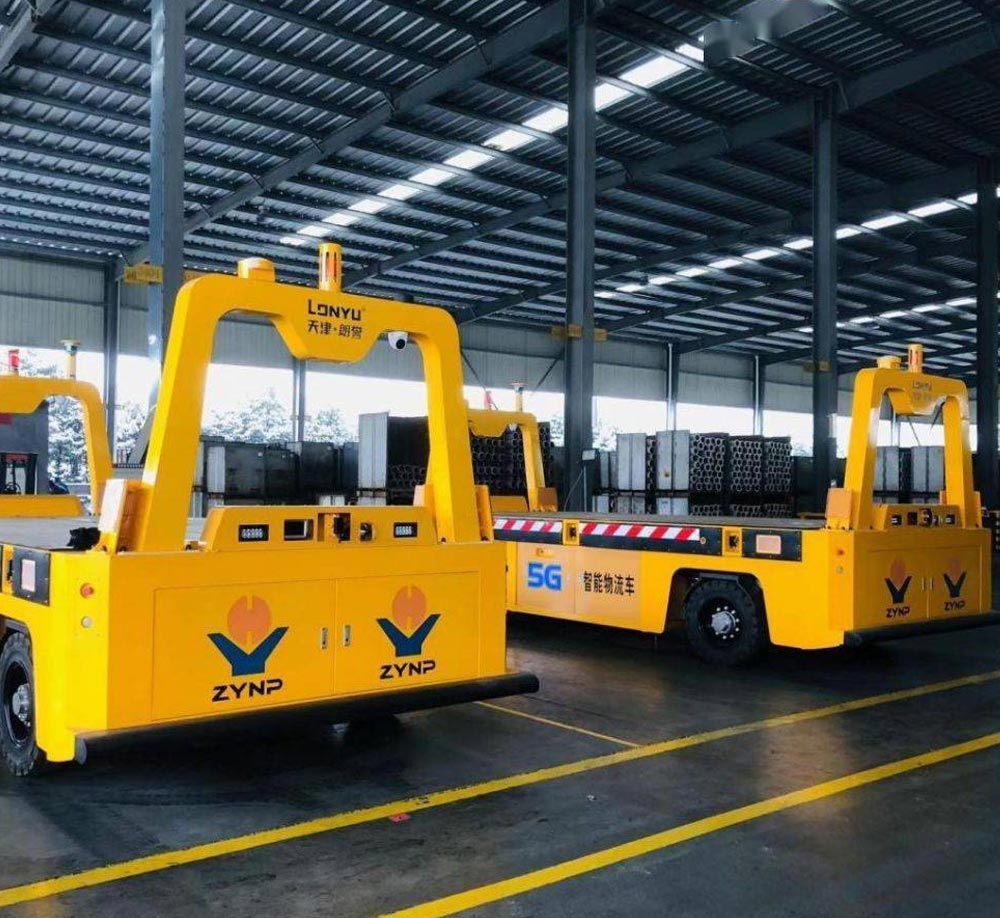
For factories looking to upgrade from manual transportation methods, an AGV transfer cart can provide a transition toward automated material handling while maintaining the load capacity required for heavy industrial applications.
Why This Solution Fits Heavy Industrial Applications
The application value of this heavy-duty AGV system is mainly reflected in three areas:
| Requirement | Solution Feature |
| Heavy component transportation | 200-ton rated load capacity |
| Complex factory routes | Trackless movement and flexible operation |
| Safety during handling | Multiple detection and protection systems |
When wind turbine manufacturers and heavy equipment producers select transportation solutions, simply looking at load-bearing capacity is insufficient. Positioning accuracy, operating environment, safety control, and future production flexibility are all crucial performance indicators that must be included in the evaluation.
FAQ
How does a trackless transfer cart move without fixed rails?
A: A trackless transfer cart uses an electric drive system and steering mechanism to control movement. Unlike rail-based equipment, it does not depend on predefined tracks and can follow flexible transportation routes based on the working environment.
What is the difference between a trackless transfer cart and a rail transfer cart?
A: The main difference is the transportation method. A rail transfer cart operates on fixed tracks, which can provide stable repetitive movement. A trackless transfer cart does not require permanent rails, making it more adaptable when factory layouts or transportation routes change.
What industries use heavy-duty transfer carts?
A: Heavy-duty transfer carts are commonly used in industries that require the movement of large or heavy components, including equipment manufacturing, steel processing, energy equipment production, and industrial assembly.
Can an AGV transfer cart be customized for different factory layouts?
A: Yes. An AGV transfer cart can be configured according to factors such as load requirements, transportation routes, operating environment, and automation objectives. Customization options may include platform design, navigation methods, and control systems.
Conclusion
As industrial manufacturing continues to develop, companies need transportation solutions that can handle heavy loads while adapting to changing production environments.
Trackless transport vehicles are not limited by fixed tracks, allowing for more flexible route planning and offering an alternative to traditional fixed-rail transportation. For the handling of large, heavy components, this equipment can effectively improve in-plant logistics efficiency.
When choosing a solution, don’t just focus on the price; you need to understand the actual conditions clearly. Load requirements, on-site environment, automation configuration, and customization possibilities all need to be carefully evaluated. Whether you choose the basic model or the advanced version, there’s only one core standard: the equipment and production process must align, which is the right solution.
If you are looking for a customized heavy load transportation solution for wind turbine components, large industrial equipment, or complex factory logistics, our engineering team can provide suitable trackless transfer cart and heavy-duty AGV solutions based on your application requirements. Contact us to discuss your project needs and find a reliable transportation solution.