

Introduction
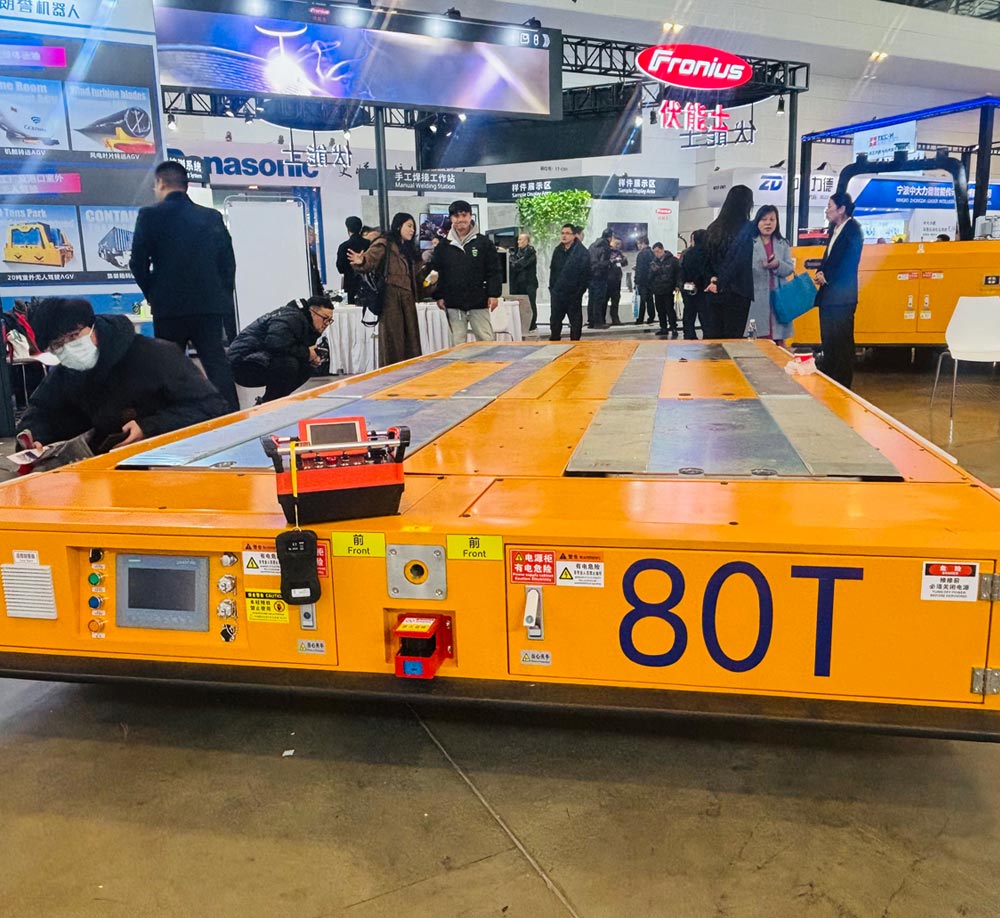
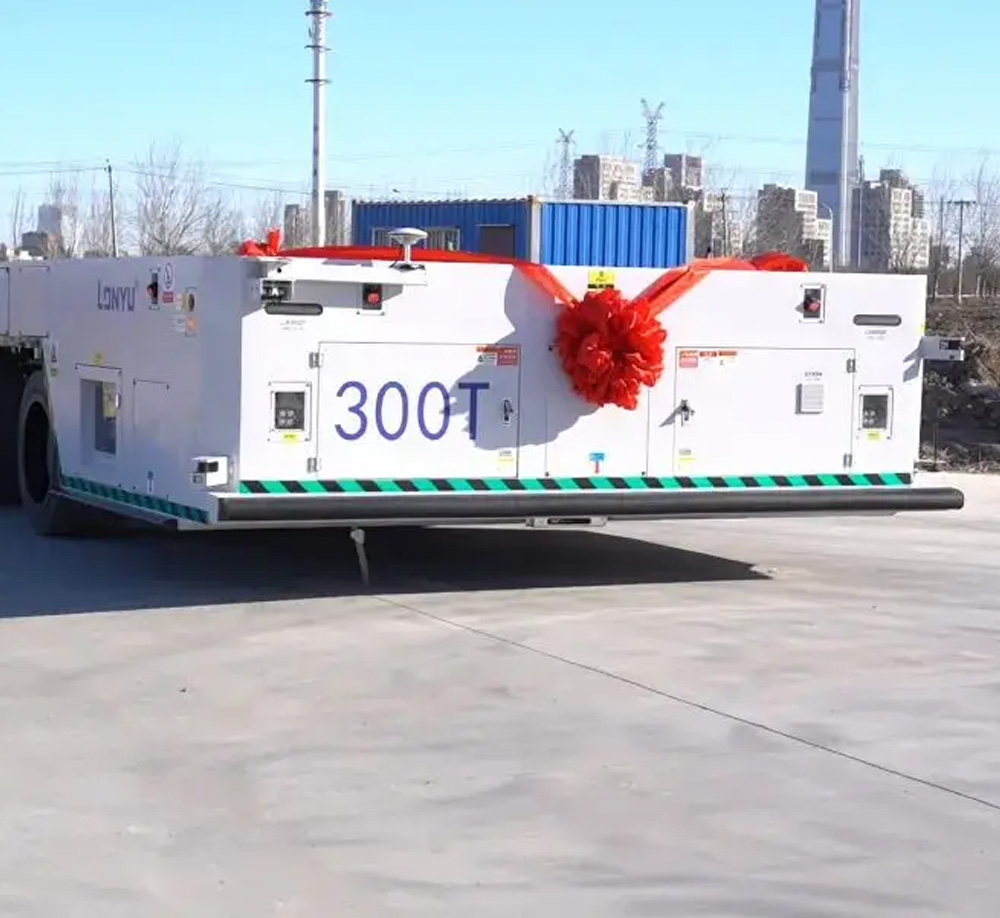
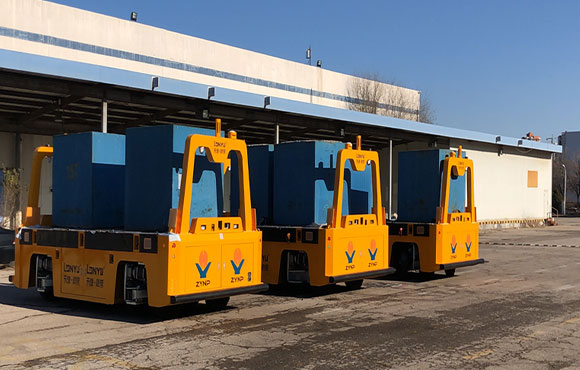
In manufacturing plants, steel processing facilities, and large equipment production, forklifts or standard AGVs may not be suitable for transporting multi-ton loads. As cargo weight increases, vehicle capacity, structural design, braking, navigation, and operating space all become more important.
Choosing a heavy duty AGV therefore requires more than checking the rated payload. Buyers should also consider cargo dimensions, center of gravity, load distribution, floor conditions, transport routes, and duty cycle. This guide explains how to evaluate heavy duty AGVs based on their applications, navigation and safety requirements, technical specifications, and manufacturer capabilities.
Key Takeaways
- Heavy duty AGVs are designed for multi-ton industrial material handling tasks that standard AGVs may not be able to handle.
- Selection should consider more than rated payload, including cargo weight, dimensions, center of gravity, load distribution, chassis, wheels, floor conditions, and operating space.
- Navigation should match the transport route and factory environment. Fixed and flexible routes have different navigation requirements.
- Heavy-load projects require careful review of braking, obstacle detection, emergency stop functions, safe stopping distance, and applicable safety standards.
- When evaluating an AGV manufacturer, buyers should examine heavy-load engineering, customization, testing, system integration, and after-sales support.
What Is a Heavy Duty AGV?
What Is an AGV Automated Guided Vehicle?
An AGV (Automated Guided Vehicle) is an industrial vehicle that uses predefined navigation information to move and transport materials automatically in factories, warehouses, and other industrial environments.
Unlike manually operated forklifts or towing vehicles, an AGV can follow a planned route and perform repetitive internal transport tasks with limited operator involvement.
When Is an AGV Considered a Heavy Duty AGV?
A heavy duty AGV is not simply a standard AGV with a higher rated payload. Whether a vehicle is suitable for heavy-load transport depends on the complete operating condition.
Cargo weight and dimensions are the first factors to consider. Multi-ton steel products, large molds, and industrial equipment require sufficient vehicle capacity. Cargo center of gravity and load distribution also matter. If the load is concentrated in one area or extends significantly beyond the vehicle platform, the vehicle’s structural capacity and operating stability require further evaluation.
Braking and operating conditions are also important. A heavier vehicle and load create greater inertia, so floor conditions, aisle space, and transport routes can affect vehicle requirements.
For this reason, a heavy duty AGV should be evaluated based on the complete transport task rather than payload alone.
How Does a Heavy Duty AGV Differ From a Standard AGV?
Standard AGVs are often used for pallets, containers, and lighter industrial materials, while heavy duty AGVs are designed for multi-ton industrial loads. The difference extends beyond payload to structural capacity, operating conditions, and braking requirements.
| Comparison Item | Standard AGV | Heavy Duty AGV |
| Typical transport tasks | Pallets, containers, and light materials | Multi-ton industrial materials |
| Load requirements | Relatively low | Higher |
| Structural requirements | More standardized | Greater focus on load capacity |
| Operating conditions | Standard industrial environments | Higher requirements for floor and operating space |
| Braking requirements | Standard loads | Greater inertia must be considered |
| Customization needs | Relatively limited | Usually higher |
This is why heavy duty AGV procurement should not simply follow the selection criteria used for standard AGVs. The vehicle must match the actual cargo and factory environment.
What Are the Applications of Heavy Duty AGVs?
Handling Metal, Steel, and Heavy Components
Steel, metal products, large molds, and heavy machinery components may not be suitable for manual handling or standard vehicles.
A heavy duty AGV can transport these materials between different areas of a plant. For example, steel products can be moved from storage to processing areas, while large components can be transferred from machining equipment to assembly areas.
This type of automated handling is particularly suitable for factories with frequent transport tasks and relatively defined routes.
Manufacturing Plants and Assembly Lines
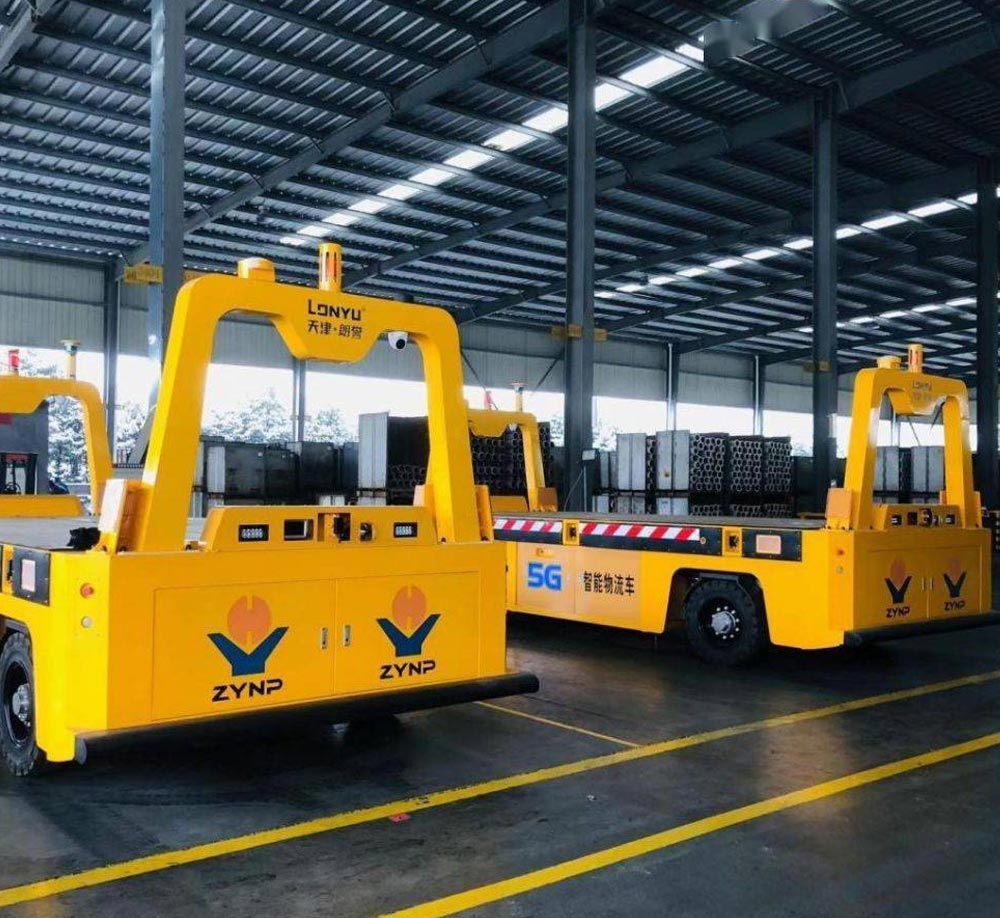
Materials in manufacturing plants often pass through multiple production stages. Heavy duty AGVs can transport materials from storage areas to production lines, between workstations, or from processing areas to assembly zones.
For example, after machining, a large workpiece can be moved by a heavy load transport vehicle to an assembly or inspection area. Finished products can then be transferred to a temporary storage area.
For repetitive internal transport tasks, AGVs can reduce the need for operators to repeatedly drive material-handling equipment between locations.
Large Equipment and Project-Based Manufacturing
Wind power equipment, shipbuilding, aerospace products, heavy machinery, and large industrial equipment place greater demands on internal material handling.
For these applications, factories may require a heavy duty AGV configured around the specific cargo and operating environment.
How Should You Determine the Required AGV Payload?
When determining the required AGV payload capacity, first define the actual transport task. Maximum cargo weight is the starting point, but you also need to consider the cargo, loading method, transport frequency, and potential changes in load requirements.
For example, a 16T AGV has a rated load of 16 tons, but this does not mean that every 16-ton load is suitable for direct transport. If the cargo or floor conditions do not match the vehicle design, further engineering evaluation is required.
Therefore, buyers should prepare complete cargo information before purchasing, including the loading method and typical transport routes. This information can also help the manufacturer determine the appropriate vehicle configuration.
How Should You Choose Navigation and Safety Configurations for a Heavy Duty AGV?
When Is Magnetic Stripe Navigation Suitable for Fixed Routes?
Magnetic stripe navigation guides the vehicle along predefined magnetic routes. It can be suitable for factories where transport routes are fixed or change infrequently.
If stable routes already connect storage areas, production lines, and assembly areas, buyers can plan magnetic stripe paths around the factory layout. However, if the production layout changes frequently, route maintenance and future modifications should be considered during procurement.
Do Flexible Routes Require Natural Navigation or SLAM?
If a factory needs to change transport routes frequently or has many dynamic obstacles, buyers can consider natural navigation or SLAM.
Natural navigation generally does not rely on a fixed physical route. Instead, the vehicle uses information from its surrounding environment for positioning and movement. SLAM uses environmental sensing and map building to support autonomous navigation.
What Safety Functions Does a Heavy Duty AGV Need?
Safety functions should match the vehicle’s payload, operating speed, and working environment. Because the combined mass of the vehicle and cargo can be substantial, emergency situations require appropriate braking performance and safe stopping distances.
During procurement, buyers can confirm whether the vehicle includes functions such as emergency stop, safety scanner, obstacle detection, warning zones, speed control, and automatic braking. The safe stopping distance under different operating speeds and load conditions should also be confirmed.
These functions should not be evaluated based only on product descriptions. For an actual project, buyers should understand the trigger conditions, coverage areas, and commissioning requirements of each safety function.
Which Safety Standards Should Buyers Check?
Heavy duty AGV projects should be evaluated against the safety requirements applicable to the target market and operating environment. Common reference standards include ISO 3691-4 and ANSI/RIA R15.08.
Instead of simply asking whether a product is “safe,” buyers should request relevant conformity documents, test records, or other verifiable technical documentation from the manufacturer. Any additional requirements imposed by the target market or customer site should also be confirmed.
What Technical Parameters Should You Check When Purchasing an AGV?
This is the core of the selection process. Whether a heavy duty AGV is suitable ultimately depends on how well the vehicle, cargo, and operating environment match one another.
Payload, Center of Gravity, Load Distribution, and Chassis Capacity
Rated payload is the first parameter to check, but it is not the only one.
Buyers should compare the rated payload with the actual cargo weight and allow an appropriate margin based on project requirements. They should also confirm the cargo center of gravity and whether the load is concentrated, distributed, or offset.
For example, two 10-ton loads may create different vehicle requirements. One may distribute its weight evenly across the platform, while the other may concentrate most of its weight on one side.
Wheels, Suspension, and Floor Conditions
The combined weight of the AGV and cargo is transferred to the floor through the wheels. Wheel configuration, wheel loading, suspension, and floor conditions therefore need to be considered together.
Buyers should confirm floor load capacity, flatness, and concrete floor conditions. For a heavy duty AGV, it is not enough to determine whether the vehicle can carry the load. The factory floor must also be capable of supporting the actual operating load over time.
Vehicle Dimensions, Turning Radius, Speed, and Operating Space
A vehicle that can carry the required load may still be unsuitable for the factory layout.
Before purchasing, compare vehicle dimensions with aisle widths, turning areas, equipment clearances, and required safety space. If the cargo extends beyond the vehicle platform, its actual footprint during turning should also be considered.
Battery Capacity and Duty Cycle
Battery specifications should not be evaluated in isolation. Values such as 48V or 300Ah need to be considered together with daily travel distance, operating hours, shifts, and charging conditions.
For example, two AGVs with the same battery capacity may have different operating requirements if their travel distances and operating frequencies differ.
Buyers should first determine how long the vehicle needs to operate each day, how far it travels per shift, and how much time is available for charging.
Key Specifications of the Lonyu 16T Heavy Duty AGV
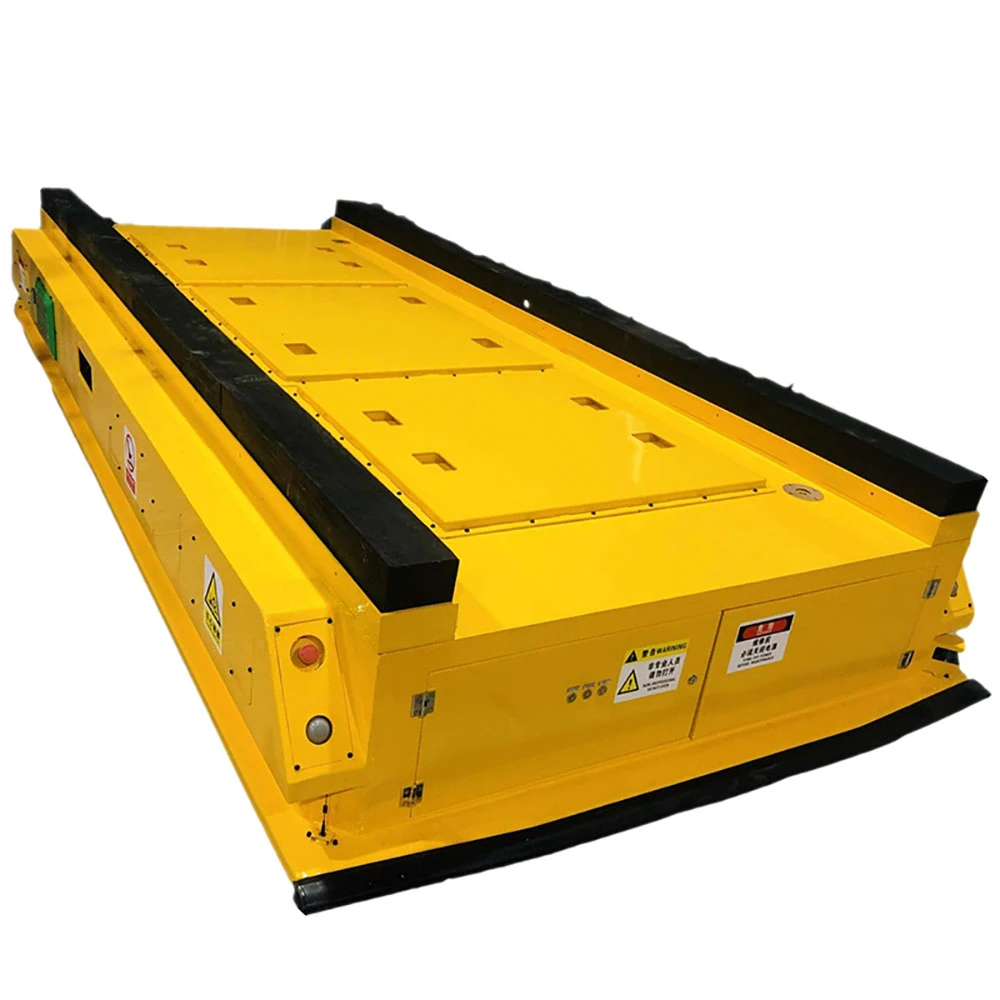
The parameters above explain how buyers should evaluate an AGV. The Lonyu 16T heavy duty AGV provides a practical example of how these criteria can be applied to a specific product.
| Parameter | Lonyu 16T AGV |
| Rated load | 16T |
| Vehicle weight | 3.5 tons |
| Vehicle dimensions | 4000 × 2000 × 550 mm |
| Turning radius | 1125 mm |
| Navigation | Magnetic stripe navigation |
| Wheel configuration | 4 wheels |
| Suspension | Spring suspension |
| Battery | 48V / 300Ah |
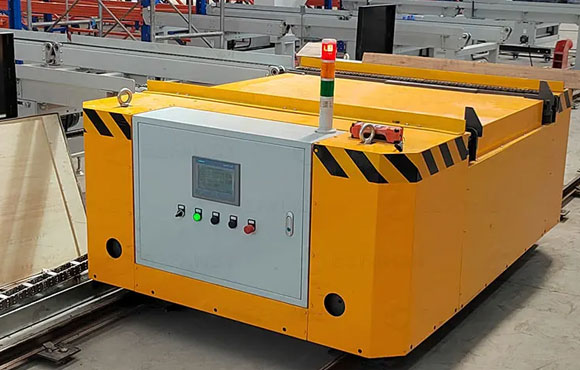
| Operation | Manual remote control + automatic operation |
| Drive-unit load | 10T |
The configuration is intended for multi-ton material transport. The 16T rated load provides a reference point for applications involving heavy workpieces, equipment, and other large industrial materials.
The 4000 × 2000 × 550 mm vehicle dimensions and 1125 mm turning radius are relevant to site planning. Buyers can compare these dimensions with factory aisles, cargo dimensions, loading areas, and turning spaces before deployment.
The Lonyu 16T AGV uses magnetic stripe navigation. This configuration can be considered for relatively fixed transport routes. For projects where routes change frequently, buyers should confirm whether the navigation configuration meets the actual requirements.
The vehicle uses four wheels and spring suspension. These configurations should be evaluated against the 16T-class operating conditions and actual floor conditions. Buyers can provide cargo weight, load distribution, and floor information to the manufacturer for further evaluation.
The 48V / 300Ah battery provides the vehicle’s stated power configuration. Buyers can compare this specification with daily operating hours, travel distance, and charging conditions to determine whether it suits the required duty cycle. Lonyu also supports battery customization, which can be discussed according to project requirements.
The vehicle supports manual remote control and automatic operation. Automatic operation can be used for repetitive transport tasks, while manual remote control can support situations that require operator intervention.
The 10T drive-unit load provides a specific reference for the drive configuration. Buyers should still confirm with the manufacturer whether the drive configuration is suitable for the actual cargo weight, load distribution, and operating conditions.
Why Choose Lonyu for Heavy-Load AGV Projects?
Extensive Experience in Heavy Duty AGV Development
Lonyu AGV Co., Ltd. was established in 2008 and has focused on the research and development and production of heavy duty AGVs, smart factories, and intelligent logistics. The company has more than 300 employees, with R&D personnel accounting for more than 55%, and an annual production capacity of more than 2,000 units.
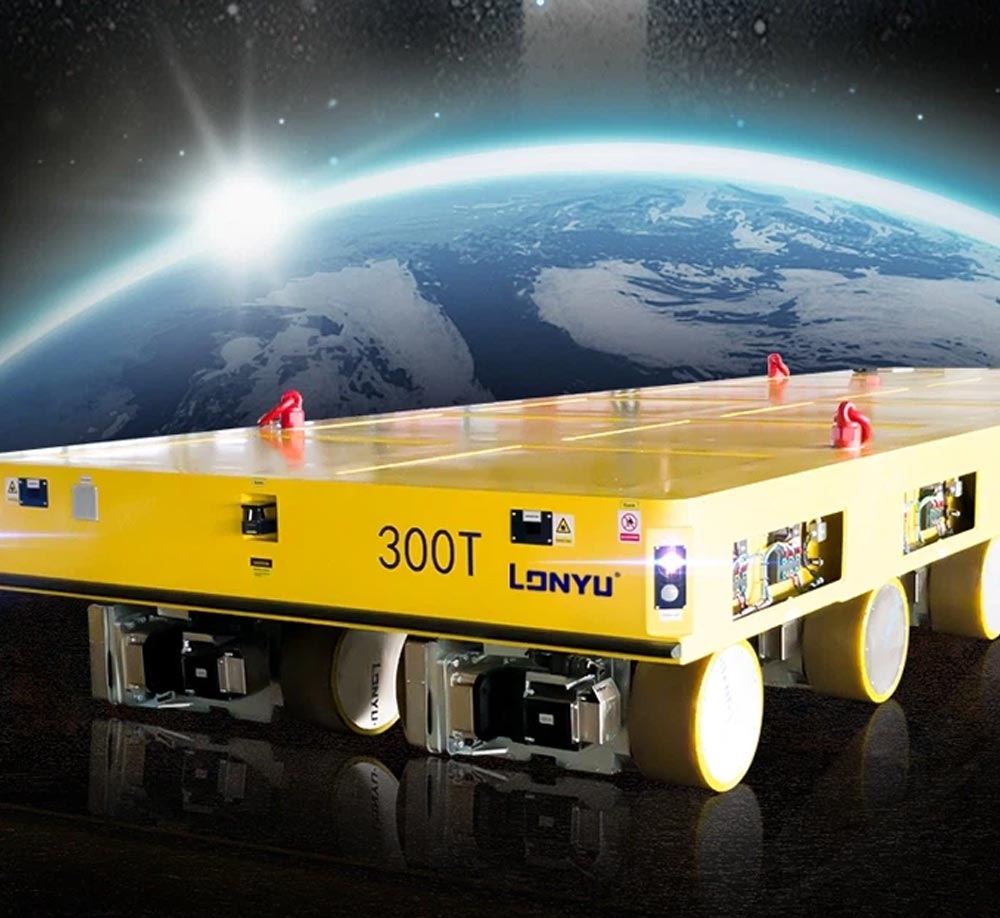
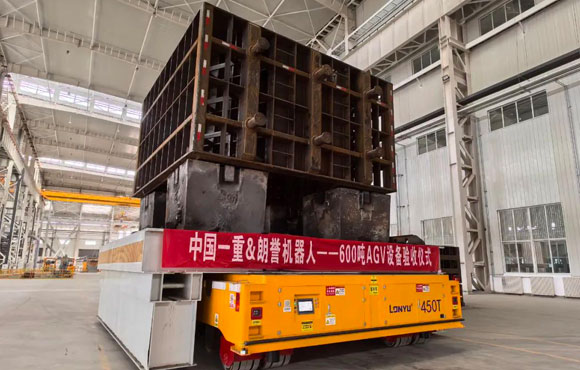
Lonyu has developed heavy duty AGVs for the intelligent transportation of heavy, long, and oversized materials. Since launching its first 30-ton heavy duty AGV, the company has continued to increase its single-vehicle load capacity, reaching 240 tons, 360 tons, and 1,000 tons in later applications.
Integrated Mechanical, Electrical, Software, and System Development
Heavy-load AGV projects involve more than vehicle manufacturing. Lonyu integrates mechanical, electrical, software, and system R&D within the company. Its product range includes heavy duty AGVs, light-duty AGVs, and AGV intelligent dispatching systems.
This integrated development capability allows Lonyu to focus on the complete requirements of heavy-load intelligent transportation, from the AGV itself to intelligent logistics and smart factory applications.
Proven Applications Across Multiple Industries
Lonyu has more than 800 actual application cases worldwide, covering a wide range of industries. Its heavy duty AGVs are used in the manufacturing, assembly, transportation, and storage of large workpieces in aerospace, military industry, high-speed rail, wind power, shipbuilding, and heavy truck applications.
The company also reports more than 50 Fortune 500 companies among its customers. This project experience provides a reference for buyers evaluating a manufacturer for heavy-load material handling.
Training, Maintenance, and Long-Term Support
Lonyu provides application training, maintenance training, and upgrade training. Its stated service commitments include a one-hour response time, on-site arrival within three hours, and solutions within 24 hours.
The company also provides a 12-month warranty, regular monthly telephone contact, and quarterly on-site service. After the warranty period, Lonyu states that it provides parts at basic prices, basic labor costs, free maintenance services, and free software upgrades.
For buyers planning a long-term heavy-load AGV project, these service arrangements can be considered together with the vehicle configuration, project requirements, and expected operating conditions.
Heavy Duty AGV FAQs
What Is the Difference Between a Standard AGV and a Heavy Duty AGV?
The main difference is the payload and overall transport duty. Heavy duty AGVs are generally designed for multi-ton industrial materials and therefore require greater attention to structural capacity, operating conditions, braking, and safety. Actual suitability still depends on the cargo and site conditions.
Can a 16-Ton AGV Handle Every 16-Ton Load?
Not based on payload alone. Buyers also need to consider cargo dimensions, center of gravity, load distribution, loading method, and floor conditions.
A 16T AGV should therefore be evaluated against the specific 16-ton load and operating conditions before purchase.
Should a Heavy Duty AGV Use Magnetic Stripe Navigation or SLAM?
Magnetic stripe navigation can be considered when transport routes are fixed or change infrequently. If routes need to change frequently or the operating environment is more dynamic, natural navigation or SLAM may be worth evaluating.
The final choice should be based on the factory layout, transport routes, and project requirements.
What Should You Ask an AGV Manufacturer Before Purchasing?
Before purchasing, buyers should confirm the payload, cargo dimensions, center of gravity, load distribution, floor conditions, route layout, navigation, battery, safety functions, customization options, testing, and after-sales support.
These details help buyers move beyond the question of “How much can the vehicle carry?” and determine whether the vehicle is actually suitable for the project.
Conclusion
Selecting a heavy duty AGV is not simply a matter of comparing rated payloads. The vehicle must match the cargo, factory floor, transport route, operating space, battery requirements, navigation method, and safety conditions.
Buyers should evaluate payload, cargo dimensions and center of gravity, chassis and wheels, floor conditions, operating space, battery configuration, navigation, and safety functions as part of the same selection process. The manufacturer’s engineering, customization, testing, integration, and after-sales capabilities also deserve attention.
Share your cargo weight, dimensions, transport route, and operating requirements with Lonyu. Our team can help evaluate the right AGV configuration for your heavy-load material handling needs.