

Key Takeaways
- Heavy duty AGVs help factories automate the movement of heavy materials while improving transportation safety, production efficiency, and workflow consistency.
- Industrial AGV systems are widely used in steel manufacturing, automotive production, smart warehouses, and machinery manufacturing for heavy load transportation.
- Selecting the right AGV requires evaluating payload capacity, material characteristics, navigation methods, factory layout, safety systems, and integration requirements.
- A reliable AGV supplier should provide not only equipment but also engineering support for factory implementation and customized automation solutions.
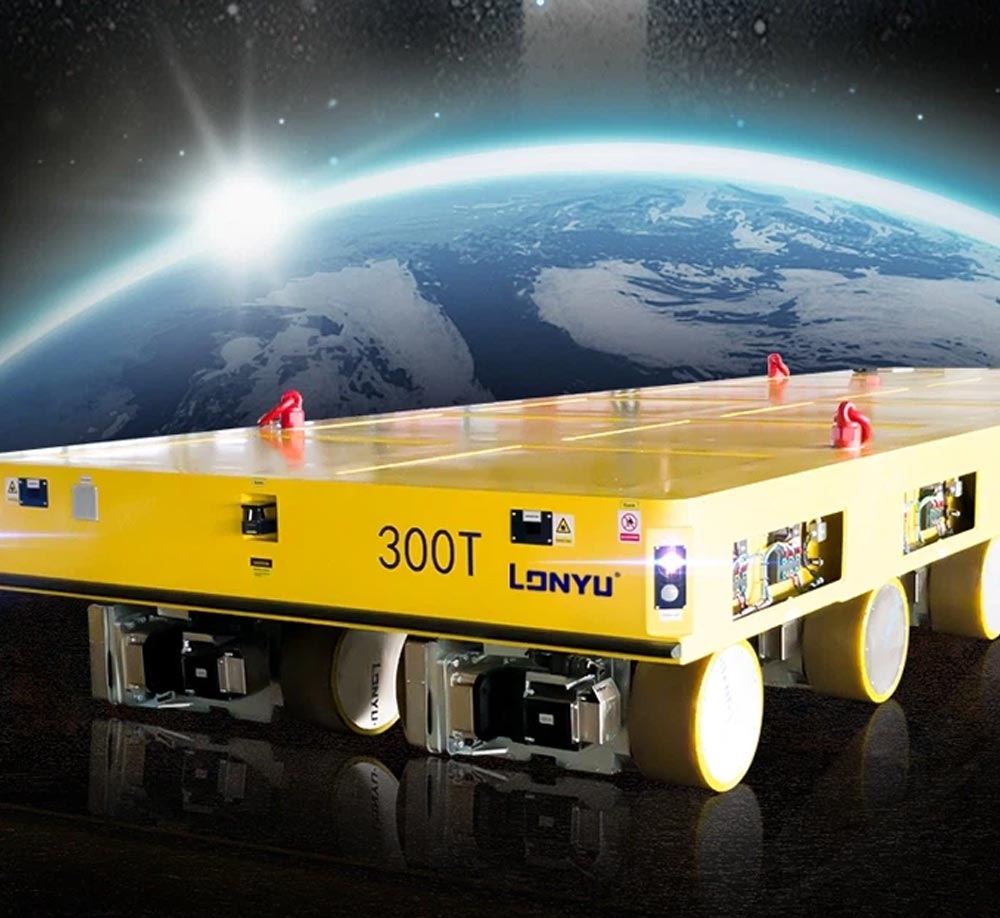
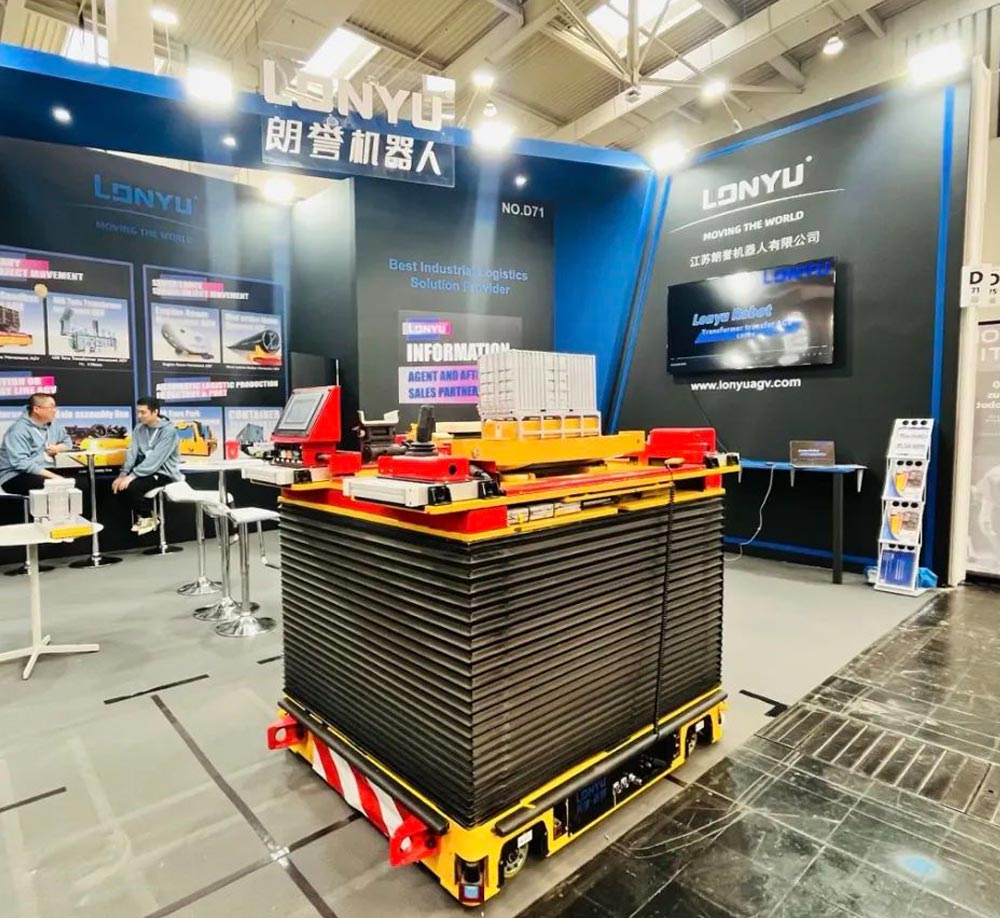
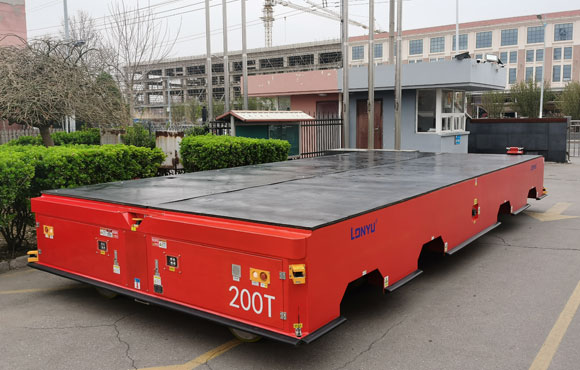
- Lonyu provides customized heavy-duty AGV solutions, including the 30T Backpack Lifting Heavy Load AGV, for factories requiring reliable automated material transfer.
Introduction
Efficient internal material transportation is a critical challenge for many industrial facilities. In some cases, moving heavy materials can be as demanding as the manufacturing process itself.
Steel coils, large molds, machine components, and oversized industrial parts often weigh several tons, making traditional handling methods difficult to maintain. Manual transportation increases labor requirements, while heavy forklift traffic may lead to safety concerns, workflow interruptions, and inconsistent material supply.
As factories move toward smarter manufacturing, companies are increasingly adopting automated solutions for heavy load transportation. Industrial AGVs help automate repetitive logistics tasks by connecting warehouses, production lines, and assembly areas with improved accuracy and consistency.
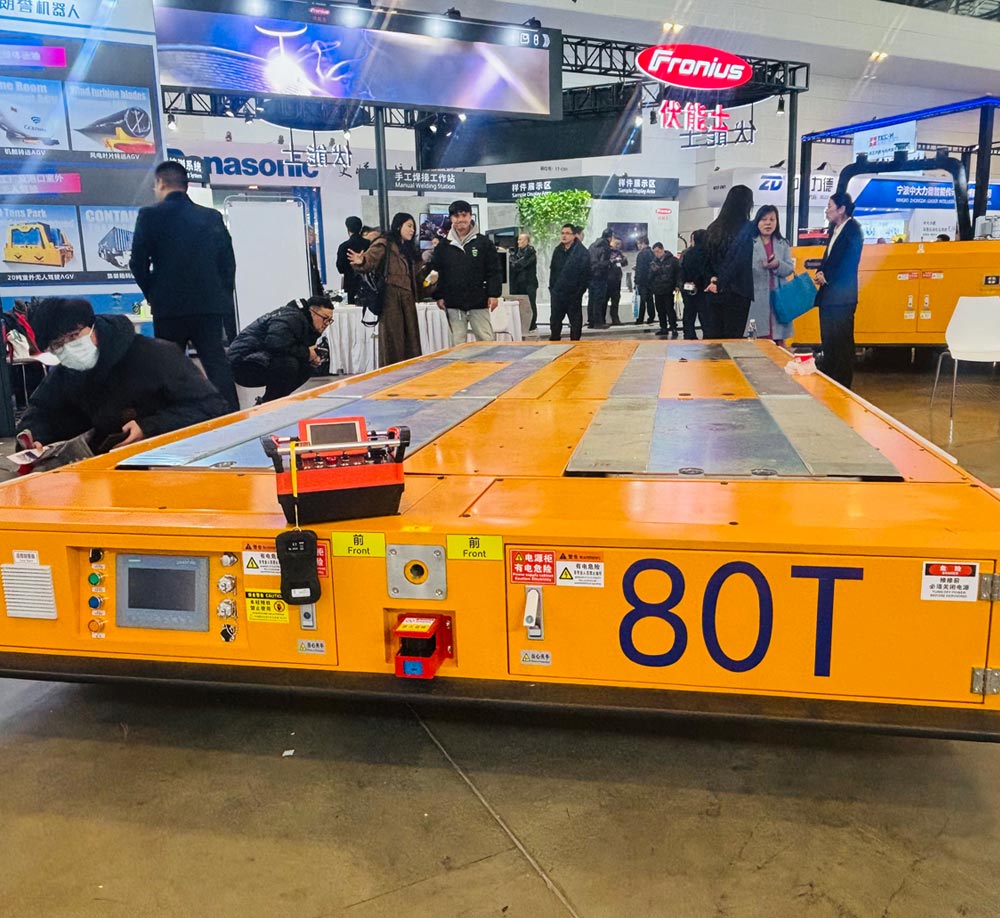
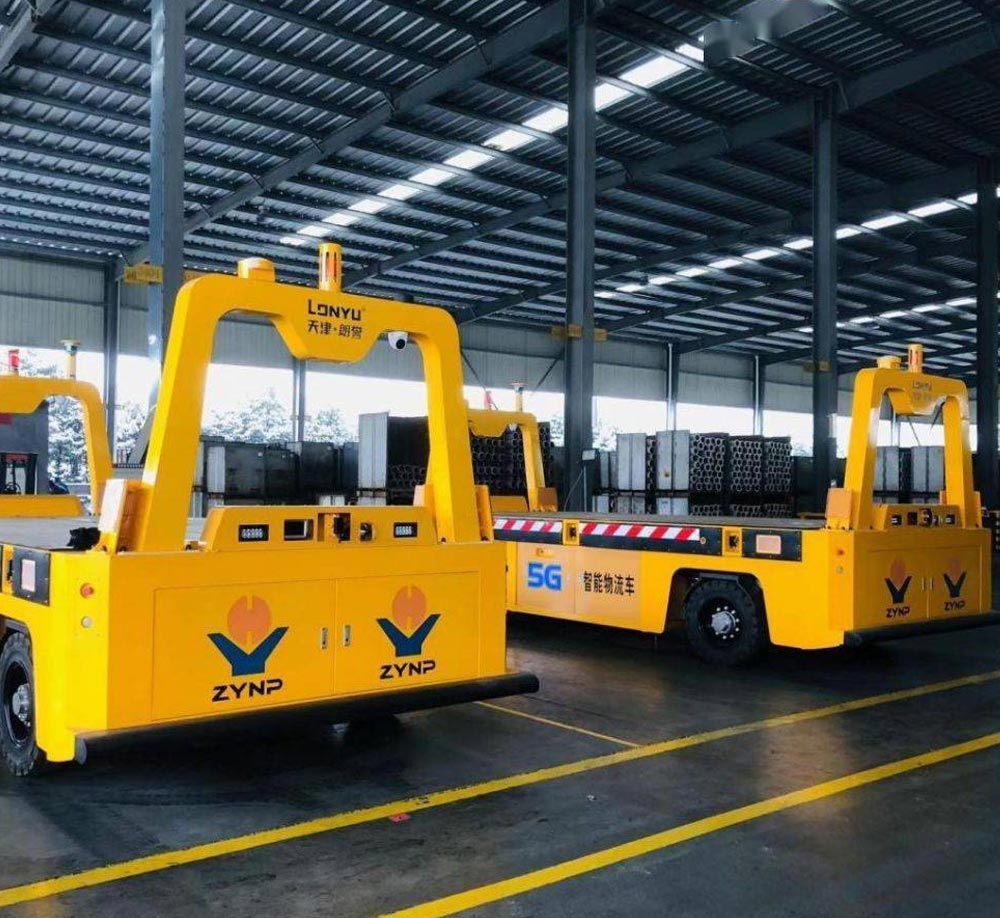
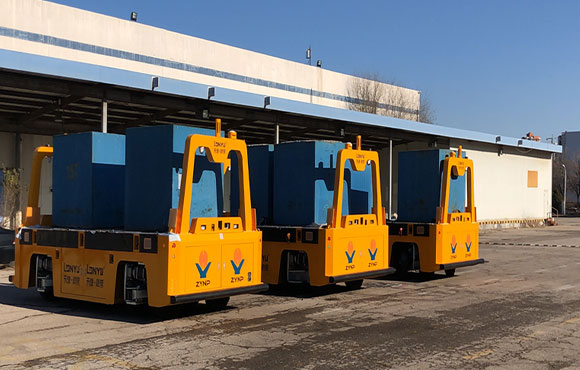
Unlike conventional handling equipment, a heavy duty AGV is specifically designed for transporting large industrial loads. It combines a high-strength vehicle structure, intelligent navigation, safety systems, and automated control technology to operate in demanding factory environments.
For manufacturers considering automation upgrades, the key consideration is not simply whether an AGV can move a certain load. The more important question is whether the AGV design matches the material characteristics, production workflow, and future operational requirements.
What Is an Industrial AGV and How Does It Work?
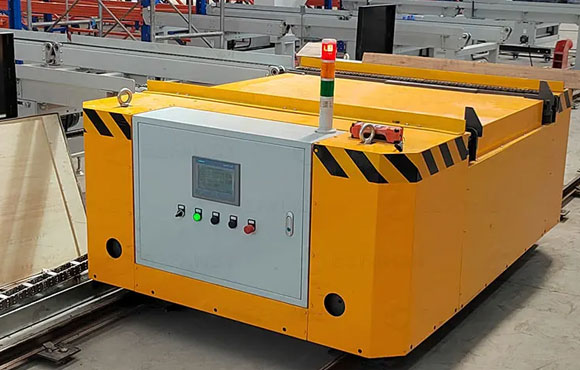
An industrial AGV (Automated Guided Vehicle) is an autonomous transport system designed to move materials between different areas in factories, warehouses, and production facilities.
A heavy-duty AGV typically includes several integrated systems:
| AGV Component | Main Function |
| Vehicle platform | Supports and transports heavy loads |
| Navigation system | Controls movement and route planning |
| Control software | Manages transportation tasks and fleet operation |
| Drive system | Provides power for heavy load movement |
| Safety sensors | Detects obstacles and prevents collisions |
| Load handling structure | Secures or lifts specific materials |
The typical AGV workflow includes:
- The factory control system assigns a transportation task.
- The AGV receives destination and route information.
- The vehicle automatically navigates to the loading position.
- The AGV transfers or lifts the material.
- The load is transported to the required production or storage location.
- Transportation status is updated through the control system.
Different factory environments require different navigation methods:
| Navigation Method | Suitable Application |
| Laser SLAM navigation | Flexible routes and changing factory layouts |
| Magnetic guidance | Fixed transportation paths |
| QR code navigation | Structured indoor environments |
| Rail guidance | Repetitive transportation with fixed routes |
Factories with frequently changing layouts may benefit from laser SLAM navigation, while fixed production routes may be better suited for magnetic or rail-guided systems.
Why Heavy Industries Need AGV Material Transfer Systems
Heavy industries typically face three major challenges when managing internal transportation.
1. Safe Handling of Heavy Materials
Moving multi-ton loads manually or with traditional equipment requires careful operation. Improper handling can damage materials, interrupt production, or increase workplace risks.
Regarding this issue,a heavy duty AGV provides controlled transportation through automated driving, accurate positioning, and integrated safety functions.
2. Reduced Dependence on Forklifts
Forklifts remain valuable for many applications, but high forklift traffic inside factories can create:
- Material flow interruptions
- Operator dependency
- Space limitations
- Increased collision risks
And AGVs can take over repetitive transportation tasks, allowing forklifts and operators to focus on more flexible operations.
3. More Stable Production Logistics
Modern manufacturing depends on continuous material availability.
AGV systems help establish a more predictable logistics flow:
Warehouse → Production Line → Assembly Area → Finished Goods Storage
This improves material delivery consistency and reduces unnecessary internal movement.
Industrial AGV Examples in Factory Applications
Steel Coil Transfer AGV for Metal Manufacturing
Steel manufacturing is one of the most demanding applications for automated transportation.
Steel coils are heavy, cylindrical, and difficult to handle safely. Transportation equipment must consider:
- Load stability
- Coil positioning
- Floor conditions
- Accurate placement
Heavy-duty AGVs can support applications including:
- Steel mills
- Coil processing lines
- Coil warehouses
- Slitting lines
For steel coil movement, factories may use specialized coil transfer AGVs or customized heavy duty transport cart solutions based on specific load requirements.
And a suitable system may include customized loading structures, lifting mechanisms, and positioning functions to ensure stable coil transportation.The value of these systems is not only moving heavy materials but also maintaining consistent and repeatable transportation between production stages.
AGV Systems for Automotive Manufacturing
Automotive production relies heavily on automation because manufacturing processes require accurate and continuous material supply.
Heavy-load AGVs are commonly used for:
- Vehicle body transportation
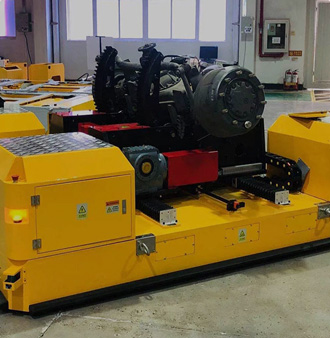
- Engine and component movement
- Assembly line supply
- Production fixture transfer
Because automotive production depends on precise timing, manufacturers often work with experienced agv robot manufacturers that understand production integration, positioning accuracy, and automation requirements.
A professional automated guided vehicle manufacturers should provide more than transportation equipment. The supplier should understand how the AGV integrates with existing production systems and factory management processes.
AGV Warehouse Systems for Smart Factory Logistics
Warehouses are becoming increasingly connected with production operations.
Traditional warehouses often depend on forklifts and manual transportation, while smart factories require faster and more predictable material movement.
Heavy-load AGV warehouse systems can support:
- Raw material delivery
- Finished product movement
- Warehouse-to-production transportation
- Internal logistics automation
By connecting storage areas with production lines, AGVs help reduce unnecessary handling and improve material availability.
Heavy Equipment and Machinery Manufacturing Applications
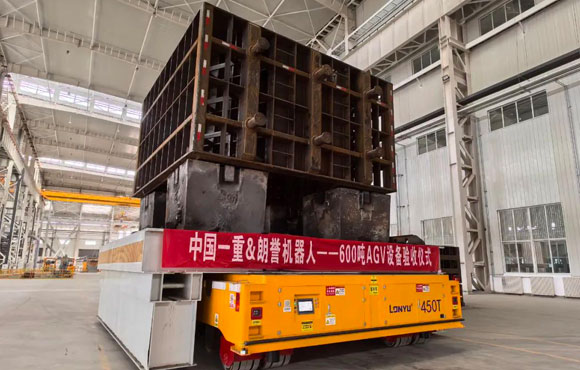
Machinery manufacturers often handle irregular and oversized components, including:
- Molds
- Dies
- Machine parts
- Large assemblies
- Industrial equipment
These applications usually require customized transportation solutions because each project may involve different:
- Load dimensions
- Weight distribution
- Transportation routes
- Production processes
For heavy-load applications, AGV selection should begin with material characteristics and workflow requirements rather than payload capacity alone.
How to Select the Right Industrial AGV System
Load Capacity and Material Requirements
Payload is the first consideration, but it is not the only factor.
Factories should evaluate:
- Maximum load weight
- Material dimensions
- Center of gravity
- Surface conditions
- Loading method
A professional AGV supplier should analyze the complete transportation process before recommending equipment.
Factory Layout and Navigation Requirements
The factory environment directly affects AGV design.
Important considerations include:
- Fixed or changing routes
- Indoor or outdoor operation
- Narrow aisles
- Future factory expansion
Flexible layouts may require SLAM navigation, while fixed routes may benefit from guided systems.
Battery, Charging, and Operating Time
For continuous production, battery performance is essential.
Factories should consider:
- Daily operating hours
- Charging method
- Automatic charging capability
- Required operating cycles
The AGV system should support production schedules without unnecessary interruptions.
Safety Requirements for Heavy Load Transportation
As payload increases, safety becomes increasingly important.
Heavy-duty AGVs commonly require:
- Laser scanners
- Emergency stop devices
- Warning systems
- Load detection functions
For heavy-load applications, safety, positioning accuracy, and customization capability are as important as transportation capacity.
AGV vs Forklift vs Coil Transfer Car: Choosing the Right Solution
Different transportation methods serve different factory requirements.
| Solution | Advantages | Suitable Application |
| AGV | Automated, flexible, and programmable | Smart factories and automated production |
| Forklift | Lower initial investment and flexible operation | General material handling |
| Coil Transfer Car | Designed for heavy cylindrical loads | Steel coil transportation |
AGVs are not designed to replace every handling method. The best solution depends on:
- Material type
- Production workflow
- Transportation frequency
- Factory automation goals
Lonyu 30T Backpack Lifting Heavy Load AGV Solution
For factories requiring reliable automation for heavy material transportation, Lonyu provides customized heavy-duty AGV solutions designed around specific production requirements, material characteristics, and factory workflows.
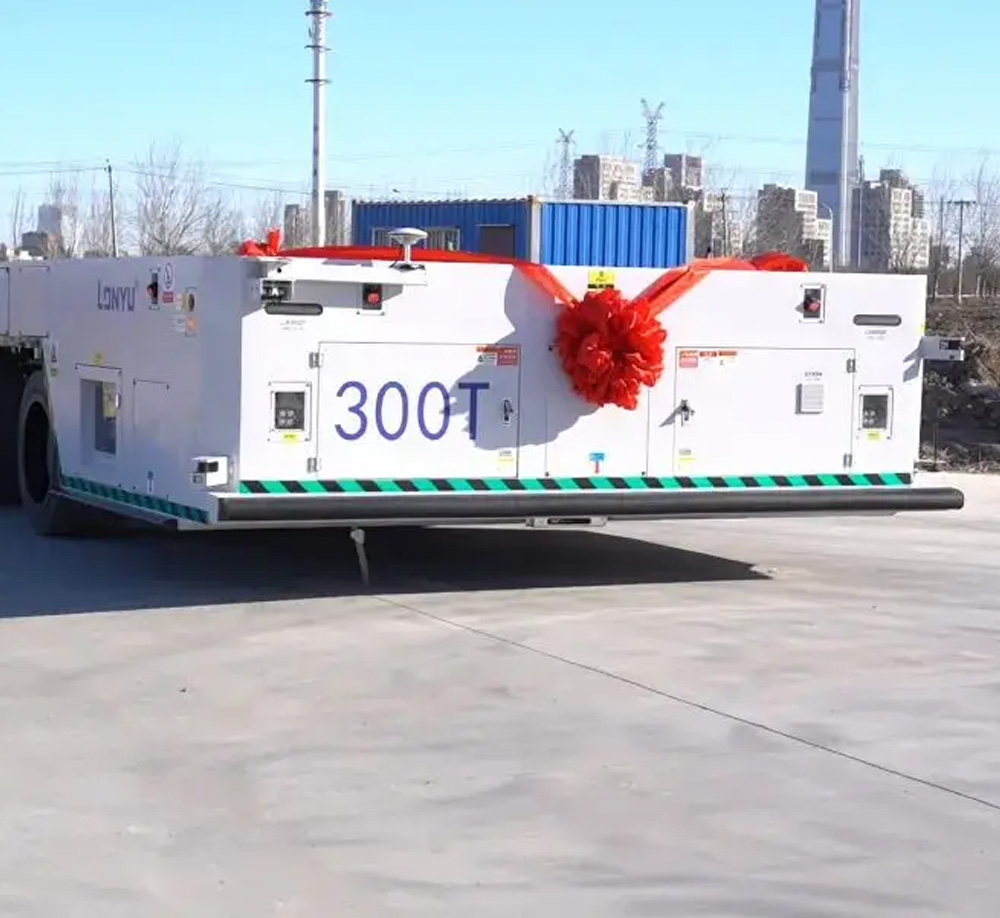
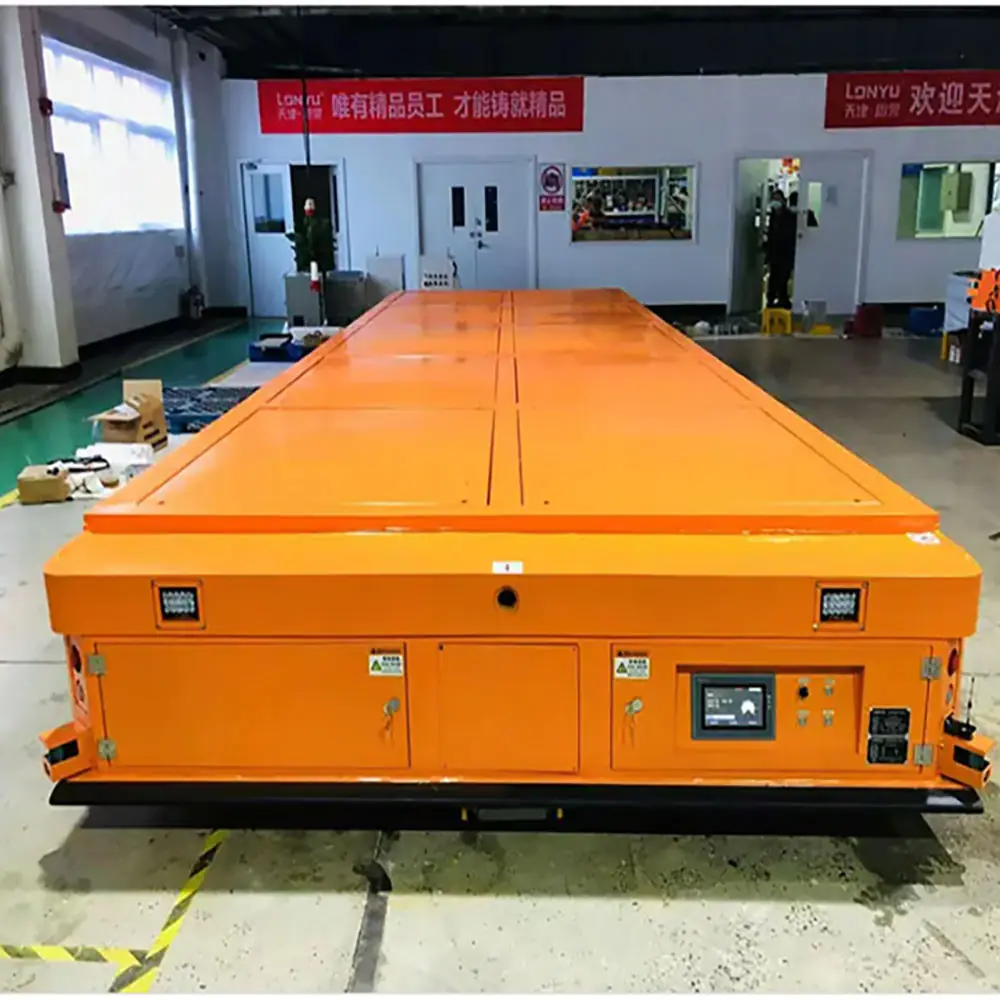
The 30T Backpack Lifting Heavy Load AGV is developed for industrial applications where conventional handling methods may encounter limitations in safety, efficiency, and transportation consistency. With a 30-ton load capacity and a specialized backpack lifting structure, this AGV provides a stable and reliable solution for transporting large and heavy materials between different production areas.
Designed for Heavy Material Transfer Applications
Key features include:
- 30-ton load capacity for transporting heavy industrial materials and large components
- Backpack lifting structure designed to enhance load support and transportation stability
- Automated material transportation to reduce reliance on manual handling and forklifts
- Customized configurations based on factory layouts, transportation requirements, and application scenarios
The backpack lifting structure helps provide stable support for heavy loads during transportation, improving handling reliability throughout the material transfer process. This design is particularly suitable for factories where materials require controlled movement between production stations, storage areas, and assembly zones.
Compared with traditional handling methods, the 30T Backpack Lifting Heavy Load AGV helps manufacturers achieve more consistent internal logistics by reducing manual intervention and improving the repeatability of material transfer operations.
It is suitable for industries requiring reliable movement of:
- Large industrial components that require stable and controlled transportation
- Heavy production materials used in manufacturing processes
- Production fixtures and tooling requiring frequent internal transfer
- Oversized equipment and assemblies that exceed the capability of conventional transport solutions
For heavy-load applications, selecting the right AGV solution depends not only on payload capacity but also on material characteristics, transportation routes, and factory operating conditions. Lonyu works with customers to develop configurations that align with their specific handling requirements.
Advantages of Lonyu Heavy Duty AGV
When selecting an AGV supplier, factories should evaluate not only equipment capacity but also engineering experience, customization capability, and long-term technical support.
Lonyu focuses on providing heavy-load automation solutions with:
- Heavy load handling capability for demanding industrial transportation applications
- Customized AGV design based on specific material handling requirements
- Flexible factory transportation solutions to support different production workflows
- Reduced dependence on forklifts by automating repetitive internal transportation tasks
- Engineering support for factory integration to help ensure the AGV solution fits the existing production environment
A reliable agv robot manufacturer should provide more than transportation equipment. For heavy-load projects, suppliers need to understand the complete application, including material characteristics, workflow requirements, and integration challenges, to deliver practical automation solutions.
Lonyu’s 30T Backpack Lifting Heavy Load AGV provides factories with a customized approach to heavy material transfer, helping manufacturers improve transportation efficiency while establishing safer and more reliable internal logistics systems.
Conclusion: Choosing the Right Heavy Duty AGV Solution for Factory Automation
Heavy duty AGVs are becoming an important solution for modern factory logistics.
They help manufacturers address challenges related to:
- Heavy material movement
- Production line supply
- Transportation safety
- Logistics efficiency
Successful AGV implementation requires more than selecting equipment with a high payload rating.
Factories should consider:
- Material characteristics
- Transportation routes
- Safety requirements
- Factory integration needs
- Supplier engineering capability
Choosing an experienced automated guided vehicle manufacturer helps ensure the final solution matches the real production environment.
For factories planning heavy-load automation, a customized heavy duty AGV solution can provide safer and more efficient material transfer.
Contact Lonyu’s engineering team to discuss your heavy-load AGV requirements and get a customized solution for your material handling needs.
FAQ
Q1. What is a heavy duty AGV?
A heavy duty AGV is an automated guided vehicle designed to transport large and heavy industrial materials. It is commonly used in manufacturing environments where traditional handling methods cannot provide stable and efficient transportation.
Q2. What industries use automated guided vehicles?
Automated guided vehicles are widely used in:
- Steel manufacturing
- Automotive production
- Machinery manufacturing
- Warehouse logistics
These industries use AGVs for moving heavy components, raw materials, and production equipment.
Q3. How much load can a heavy duty AGV transport?
The transportation capacity depends on AGV design and application requirements. Heavy-load AGVs can be customized according to payload, dimensions, and factory conditions. Lonyu’s 30T Backpack Lifting Heavy Load AGV is designed for heavy material transfer applications.
Q4. How do I choose an AGV manufacturer?
When selecting an AGV manufacturer, buyers should evaluate:
- Heavy-load project experience
- Customization capability
- Engineering support
- System integration ability
- After-sales service
A reliable supplier should provide a complete automation solution rather than only supplying equipment.