In today’s highly competitive manufacturing environment, factory managers around the world are troubled by two key challenges: the continuous labor shortages and high security risks brought by heavy material handling. According to the data of Novus Hi-Tech 2026, the manufacturing industry is facing a serious labor shortage, and forklift operators (vital to heavy transportation) are one of the most difficult roles to fill. Manually moving heavy objects increases the risk of accidents, equipment damage and downtime. To address these issues, manufacturers are adopting modern material handling equipment, with AGV (automated guided vehicle systems and heavy-duty transporters leading the way. Through clear investment return analysis and equipment selection guidance, this paper helps decision makers to evaluate whether a heavy-duty automated logistics system is suitable for their factories.
What is a Heavy-Duty Automated Logistics System?
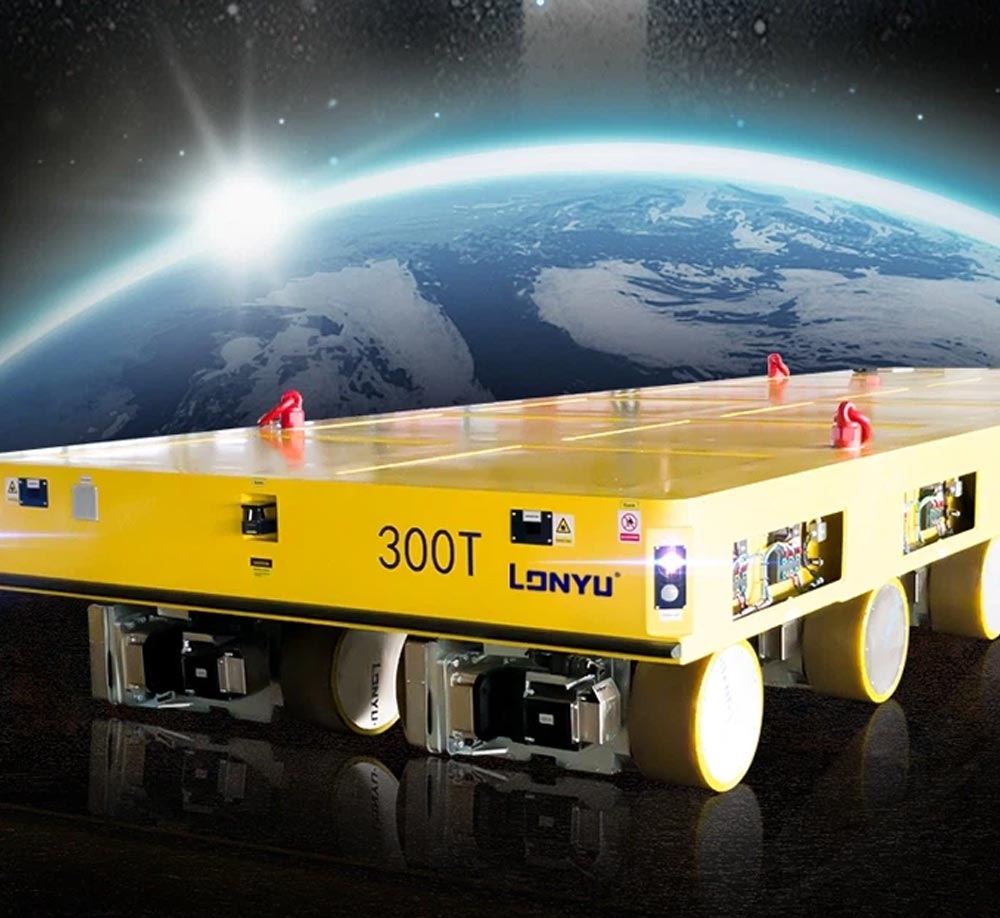
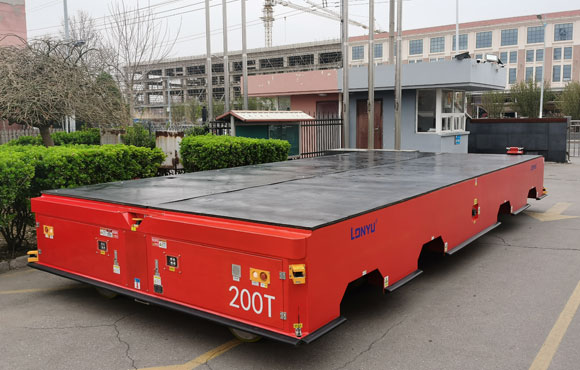
A heavy-duty automated logistics system is an integrated solution for handling loads of 10-100 tons in industrial environment. These systems give priority to stability, accuracy and safety, minimizing manual intervention and improving efficiency. Core components include automated guided vehicle systems, heavy transport equipment and customized transfer vehicles to meet the heavy-duty demands.
An Analysis of AGV and Automated Guided Vehicle Systems
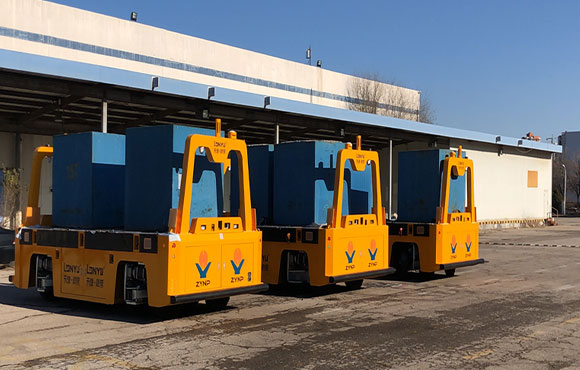
Factory managers often ask, “What is an AGV?” or “What is an AGV”? AGV is an unmanned, battery-powered vehicle that transports materials through a predefined route. An automated guided vehicle system coordinates multiple AGVs through the central control system to realize efficient and scalable transportation.
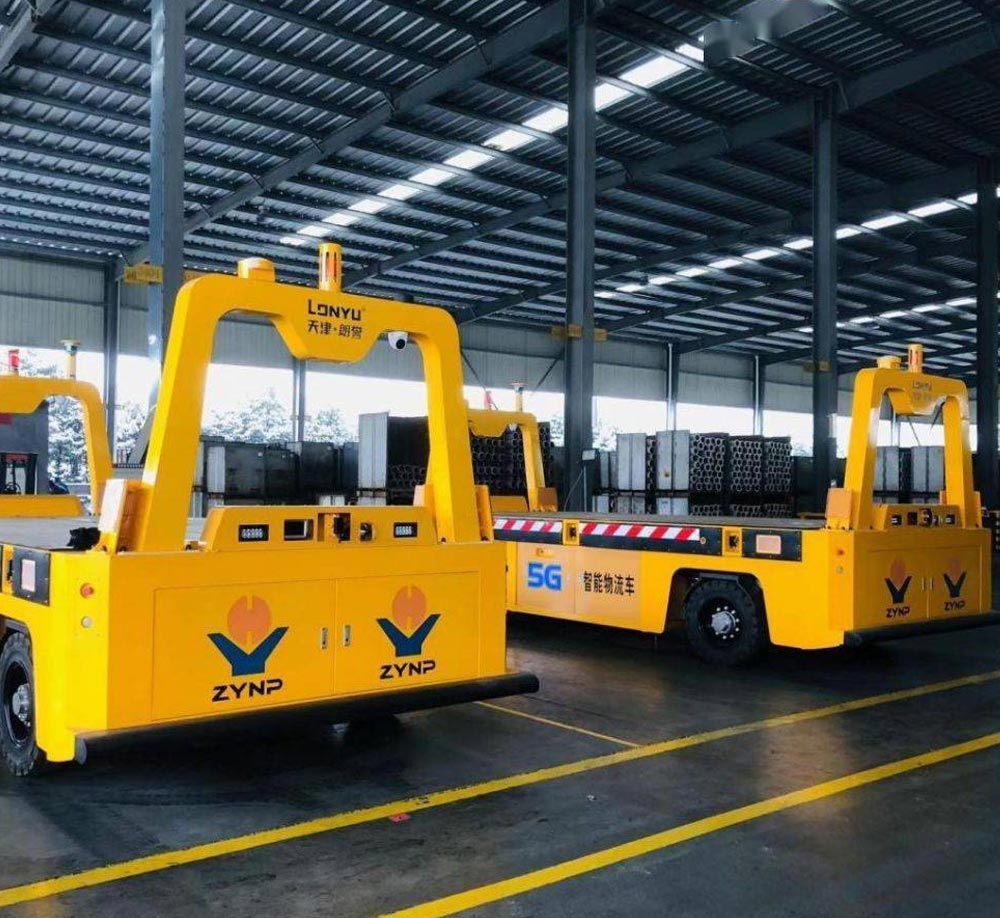
AGV uses magnetic tape, laser or visual markers for navigation and does not need human drivers. The central system distributes tasks and optimizes routes. Lower-cost automated guided carts (AGCs) handle light loads, while heavy-duty AGVs use robust hardware for ultra-heavy cargo. As AGV mobile robots, AGV 24/7 runs around the clock, which reduces bottlenecks and improves productivity.
Heavy-Duty and Specialized Application Equipment
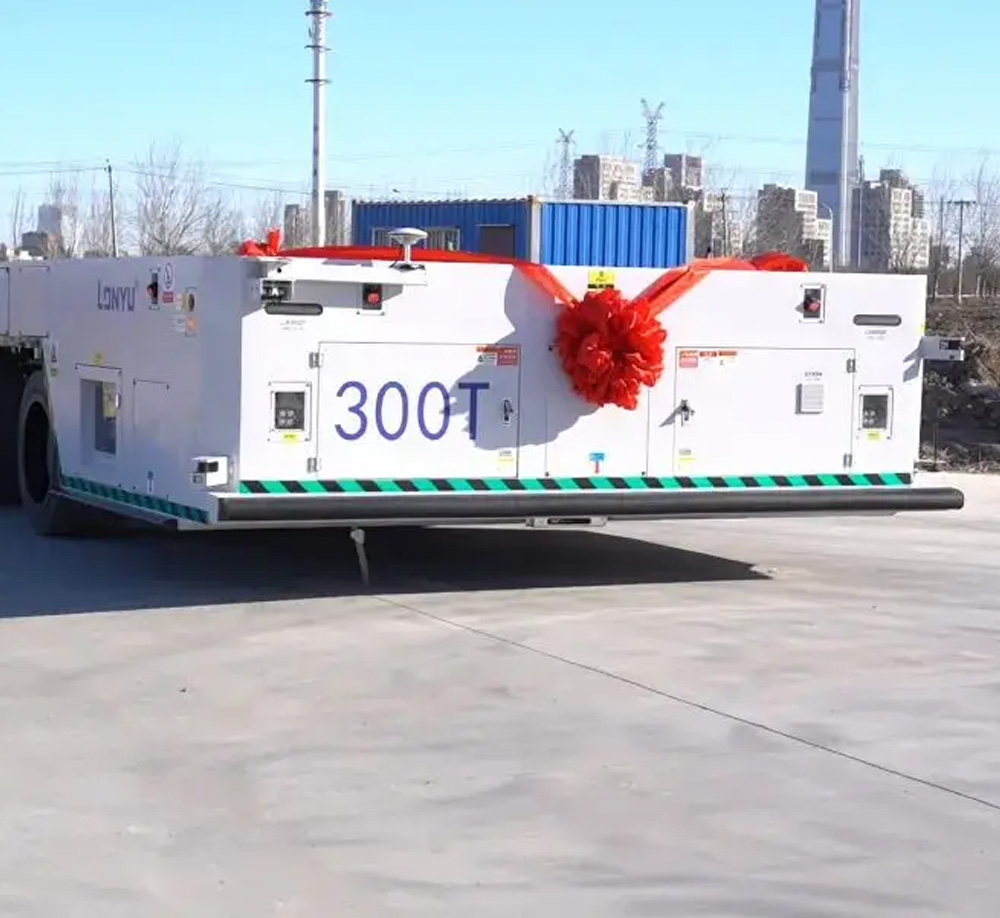
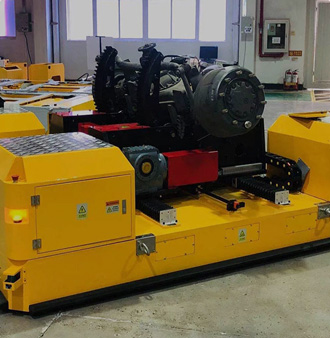
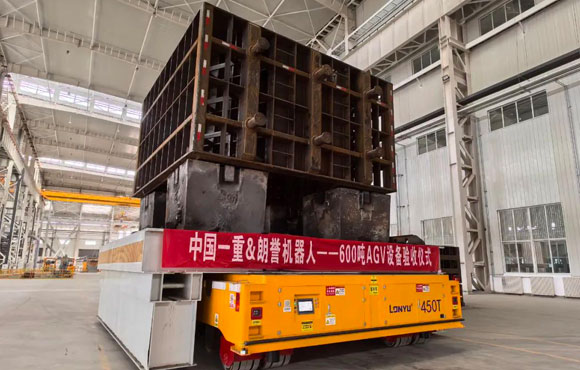
Standard AGV is not enough to bear extreme loads (automobile dies, steel coils). Heavy agv and heavy transport equipment can handle more than 50-100 tons of goods, and are equipped with reinforced frames and an advanced suspension system to improve stability.
Heavy AGV systems are suitable for indoor use (mold/component transportation) and has customizable navigation function. Heavy transport equipment is used for outdoor/semi-outdoor tasks (cross-factory equipment transportation). Both of them are very important to the automobile, steel and heavy machinery industries that have heavy load transportation every day.
5 Red Flags: Your Factory Urgently Needs to Upgrade its Heavy Material Handling Method
Identify these red flags and find out if your handling methods are outdated.
- High Labor Costs and Recruitment Struggles: the manufacturing skills gap is widening, with 77% of manufacturers struggling to hire/retain forklift operators and heavy load handlers. High turnover rate (more than 30% forklift positions) will interfere with operations.
- Frequent safety accidents and cargo damage: OSHA reports that over 30% of production injuries are related to material handling. Human error can cause expensive damage to the mold/coil, thus delaying production.
- Production Line Bottlenecks: Slow manual transport halts lines. AGV in the manufacturing industry provides continuous and reliable transportation to eliminate delays.
- Low Warehouse Space Utilization: Manual forklifts need wide aisles. Automated guided vehicles in warehouse systems can travel through narrow passages, thus improving the space utilization rate by 30%.
- Inflexibility for Changing Production: Manual systems are rigid. Heavy-duty automation systems can be reprogrammed to meet the ever-developing demand.
Understanding the advantages of automatic guided vehicle systems is key, but the return on investment determines the value of the investment. The following is a detailed analysis of return on investment.
Core ROI Analysis: The Cost Trade-Off of Heavy-Duty Automated Systems.
Calculating the return on investment requires assessing the initial costs and long-term savings. The following table outlines key factors and provides detailed information:
| Cost/Savings Category | Manual Handling | Automated System | Annual Impact (50-Ton Load) |
| Initial Investment | $50k–$100k | $200k–$500k (agv robot price, etc.) | +$150k–$400k upfront |
| Annual Labor Costs | $300k–$500k | $50k–$100k | Savings: $250k–$400k |
| Annual Cargo Damage | $50k–$100k | $5k–$15k | Savings: $45k–$85k |
| Annual Downtime Loss | $100k–$200k | $10k–$30k | Savings: $90k–$170k |
| Annual Maintenance | $30k–$60k | $40k–$80k | +$10k–$20k |
| Net Annual Savings | N/A | N/A | $375k–$635k |
Calculation of the Initial Investment Cost
The cost of AGV varies depending on the load and customization. Major expenses:
- Hardware Costs: heavy AGV, transport vehicle and transfer vehicle (mold transfer cart, coil transfer vehicle). A 50-ton AGV costs $150k–$400k; The starting price of a 5-ton transporter is $24,600 (Novus High-Tech, 2026).
- Software Costs: $20k–$50k for control systems and integration tools.
- Deployment Costs: 10% to 15% of the initial investment ($20k–$75k) will be used for site preparation and integration.
Hidden Cost Savings and Benefits
- Labor Savings: Replacing 8-12 workers with automated equipment saves $250k–$400k per year (eliminating the cost of personnel turnover/training).
- Reduced Cargo Damage: Precision handling saves $45k– $85k yearly on high-value items.
- Improve productivity: 24/7 AGV operation has increased the output by 20-30%.
- Higher safety: fewer accidents reduce workers’ compensation requirements (OSHA: average injury cost of $40k).
Typical ROI Payback Period
- Formula: payback period = total initial investment ÷ annual net saving.
- Best-case: 0.7 years
- Typical: 1.5–3 years (18–42 months, Novus Hi-Tech, 2026), making it financially viable
Scenarios and Equipment Selection
Select equipment according to load, distance and layout. Lonyu Robots provides tailor-made solutions.
For In-Plant Heavy Mold and Coil Transport
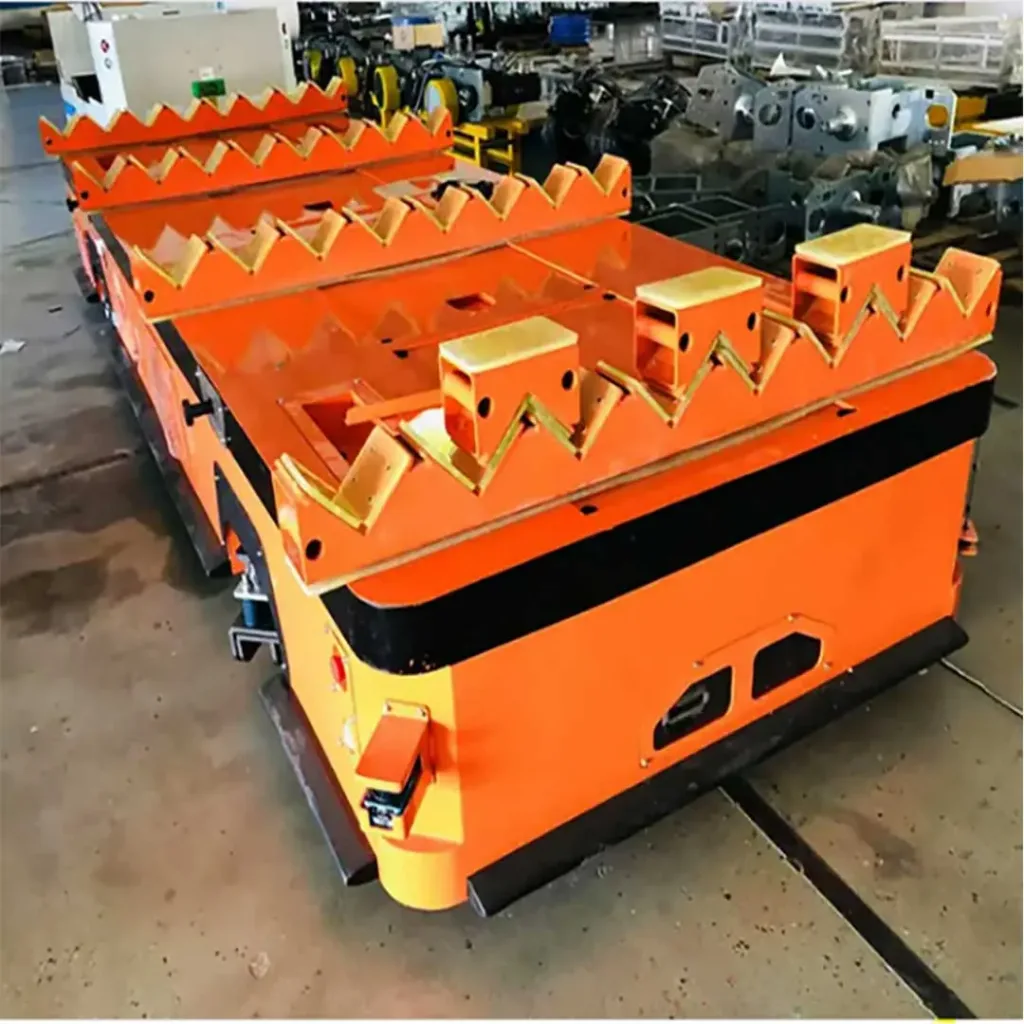
- Mold conveyor: 100 tons capacity, stable and customizable.
- Coil conveyor: 50 tons capacity, coil fixing fixtures.
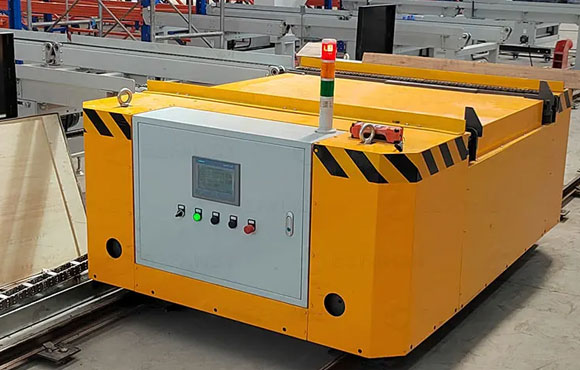
- Drive Options: motorized transfer cart or Battery Transfer Cart (8–12 hour charge).
For Trackless/Cross-Plant Transport
- Trackless transfer cart: Rail-free, laser/vision navigation, reprogrammable.
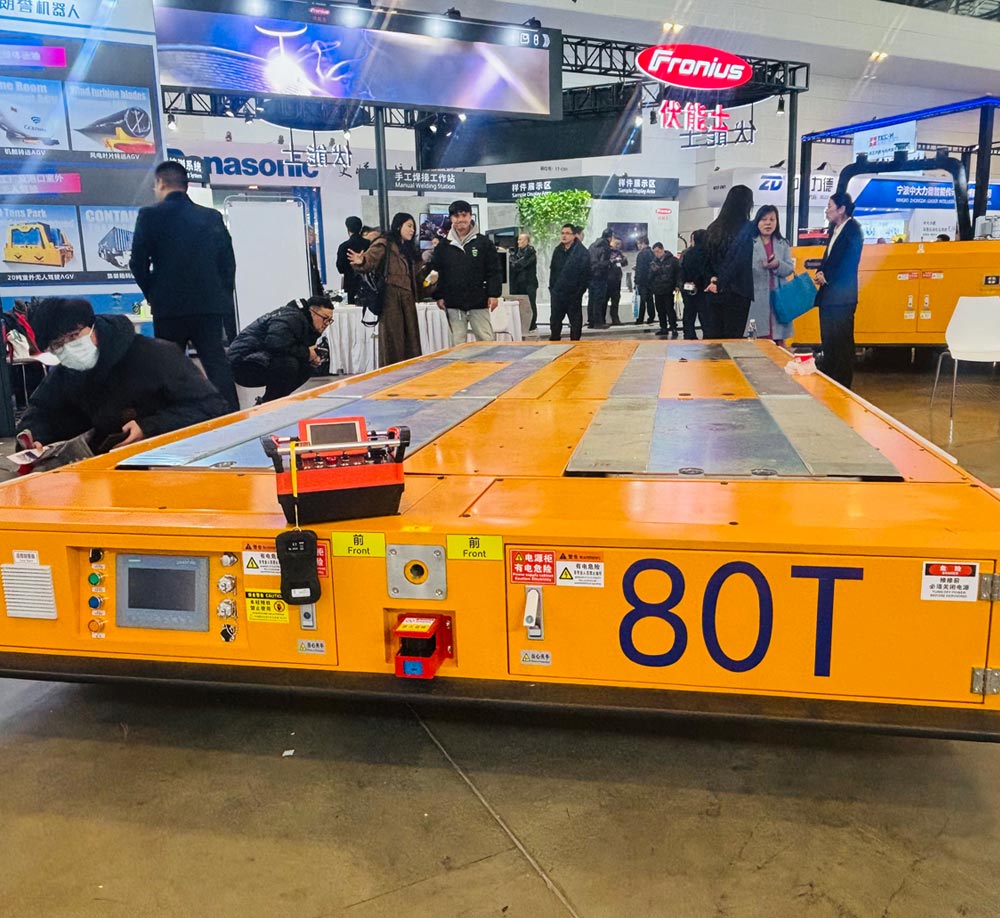
- Industrial transfer trolley: 80 tons capacity, dealing with uneven surfaces.
For fully automated integration
- Industrial AGV robots: Integrated with WMS for warehouse production transportation.
- Heavy-Duty Transfer Vehicles: Used in conjunction with AGVs for a seamless workflow.
- AGV robot warehouse: optimize space and eliminate manual labor.
Lonyu Robot: Your Trusted Manufacturer
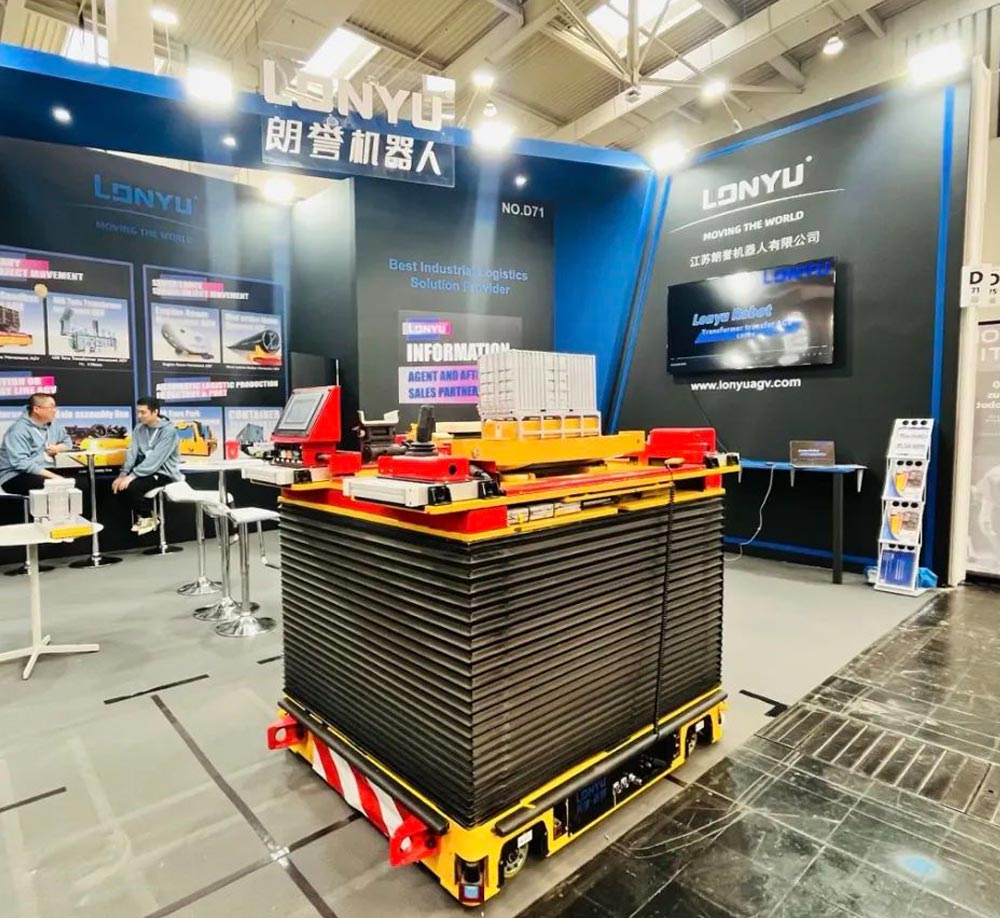
Lonyu Robot is a leading automatic guided vehicle manufacturer and AGV supplier, providing end-to-end solutions globally, including Singapore AGV robots, Malaysian AGV robots and Indian AGV robots.
Why Choose the Source Manufacturer
- Customization: Tailor equipment to your factory’s needs.
- Cost Savings: No middleman markup reduces automated guided vehicle cost.
- After-Sales Support: 24/7 global maintenance and updates.
FAQ
Q1: What are AGV Applications?
A: Automated guided vehicle applications include heavy material transport, agv warehouse automation, and cross-plant transport, used in automotive, steel, and plastic industries.
Q2: AGC vs. AGV?
A: AGCs (light loads, magnetic tape) are lower-cost; AGVs (100+ tons, advanced navigation) are flexible for complex environments.
Q3: Heavy-duty Transfer Cart Cost?
A: $30k (10-ton) to $200k (50-ton), per Novus Hi-Tech 2026 data.
Conclusion
Heavy-duty automated logistics systems solve labor shortages, safety risks, and inefficiencies. With a 1.5–3 year payback, now is the time to invest. The global material handling equipment market grows at 4.7% CAGR (2024–2034).
Lonyu Robot delivers customized solutions—heavy-duty agv, mold transfer cart, agv robot warehouse—to drive value. Contact us for a free ROI assessment and on-site survey.