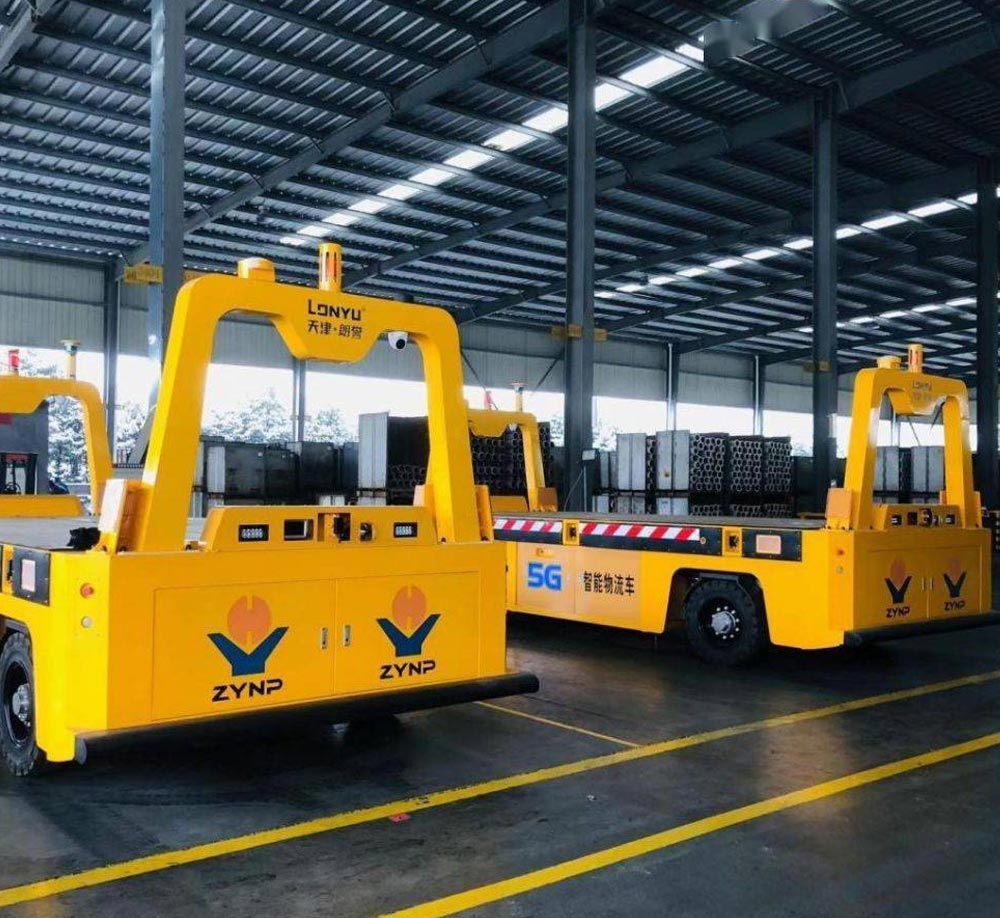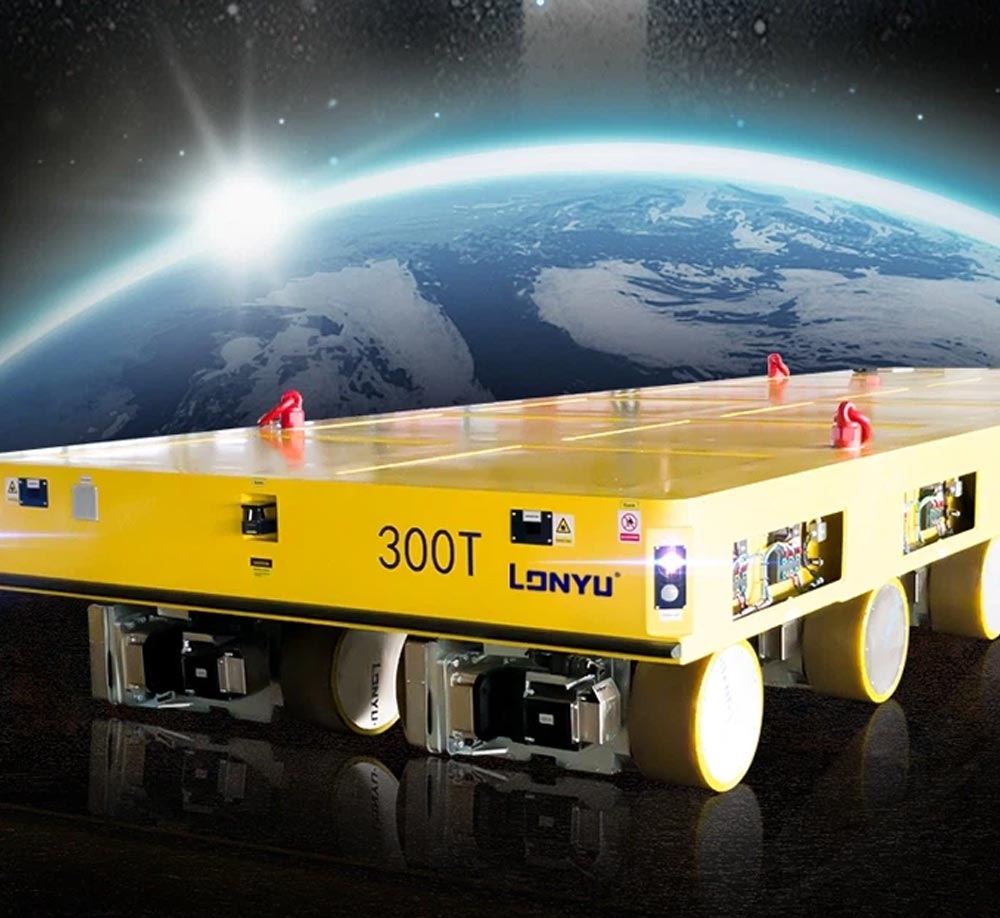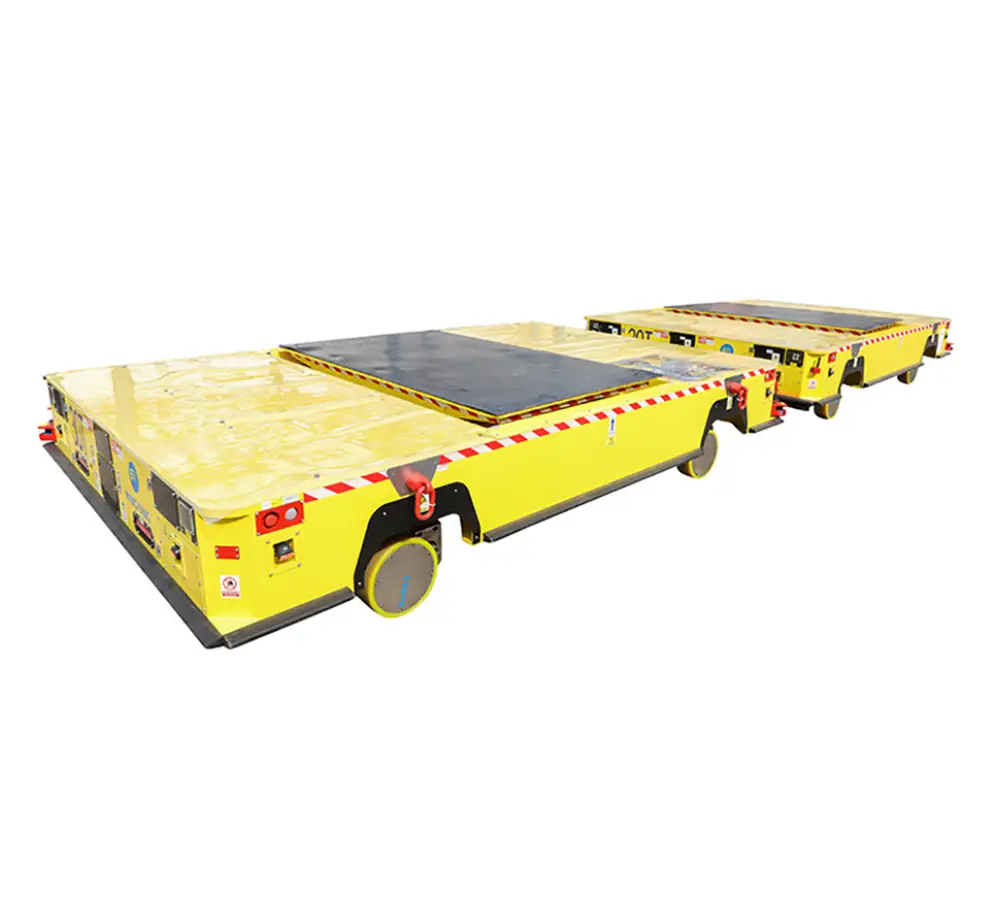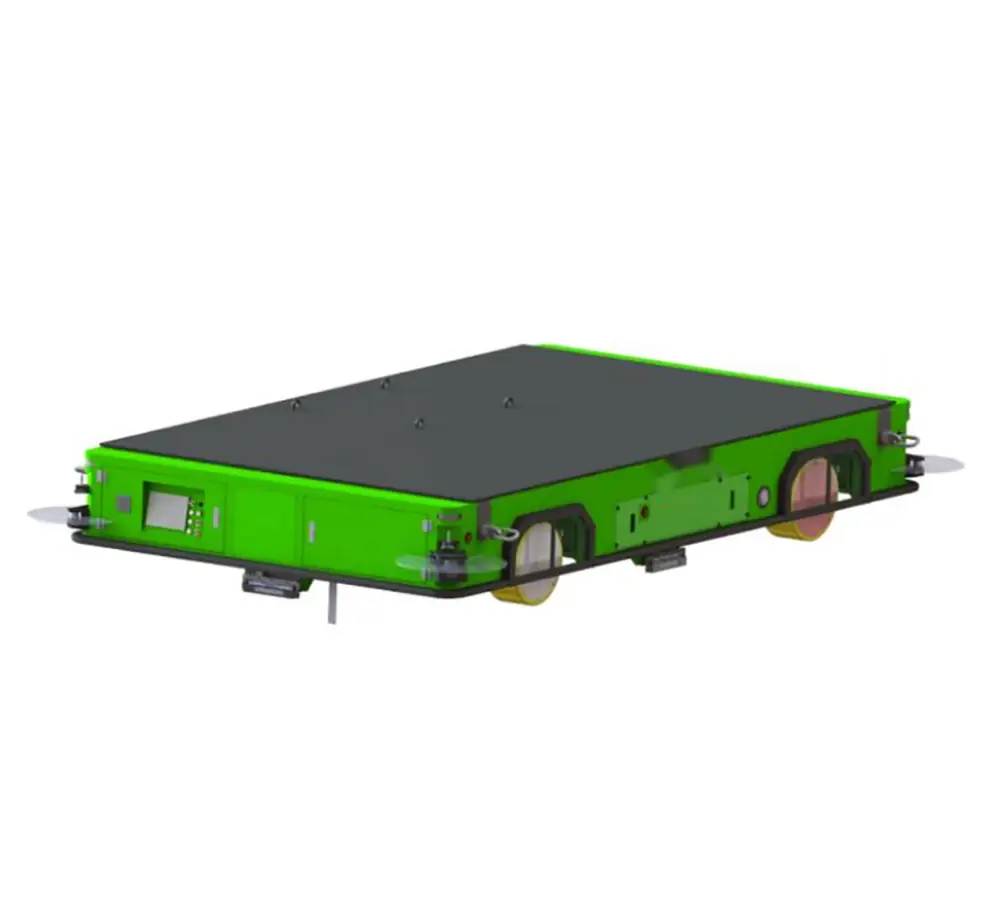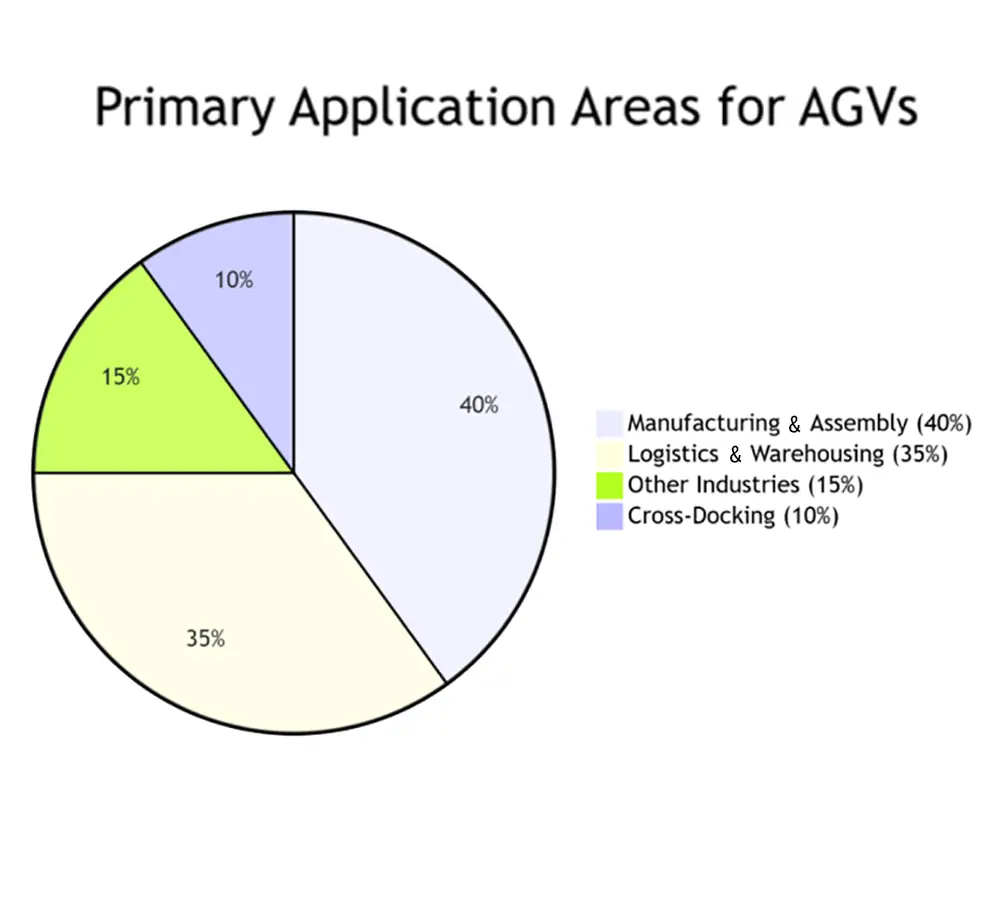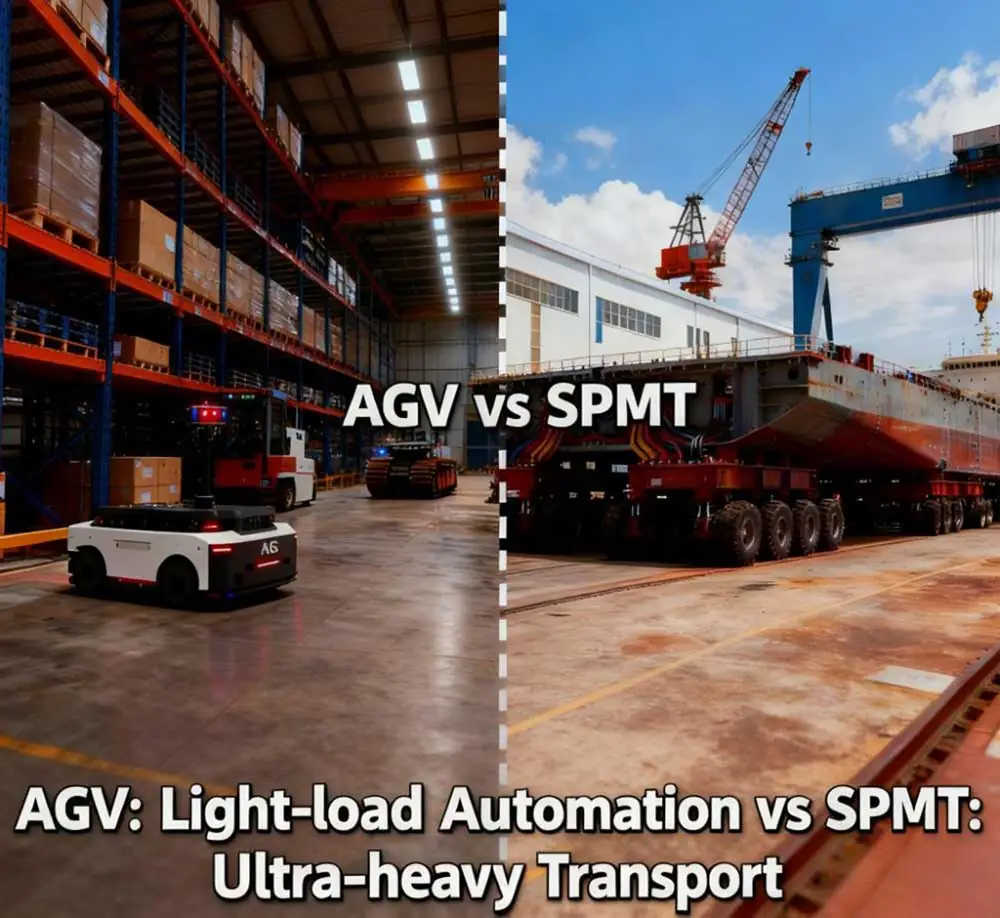


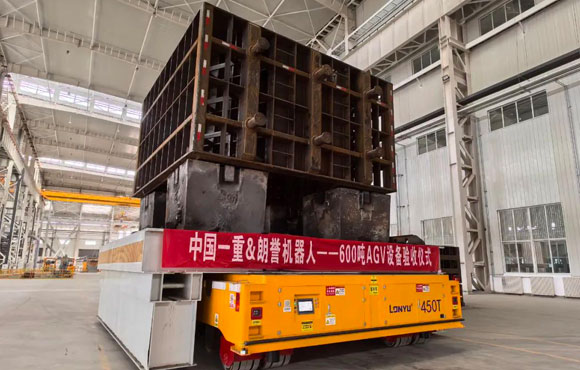
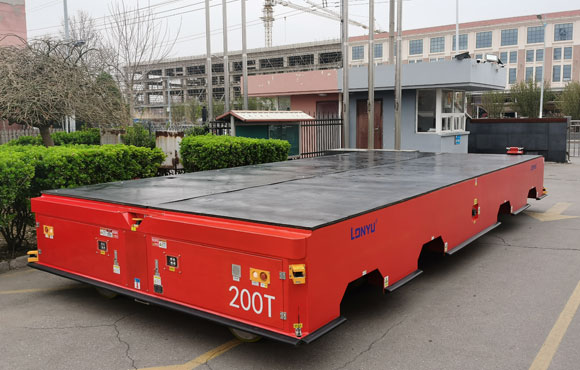
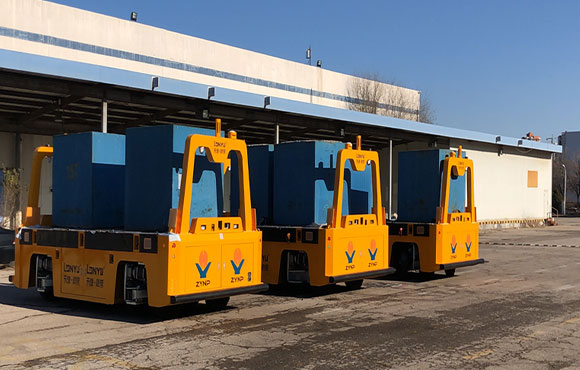
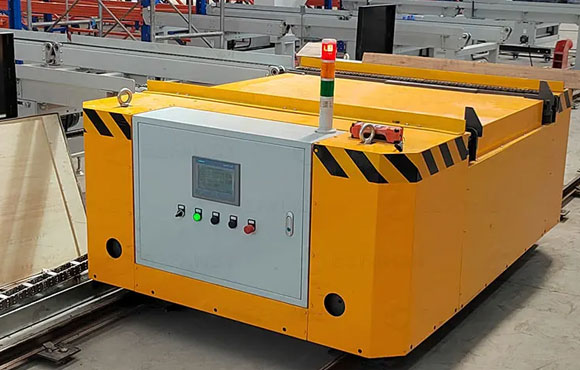
In the fields of heavy industries such as wind power generation, metallurgical mold manufacturing and shipbuilding, material handling faces relentless challenges: High-temperature shutdown, navigation failures caused by dust and slipping on rough outdoor surfaces. Under these harsh conditions, standard AGVs often break down, resulting in costly downtime, safety hazards and productivity decline. As a leading AGV manufacturer, Lonyu Robot provides robust solutions through its outdoor unmanned AGV, fully automatic mold transfer systems and omni-directional heavy chassis technology, delivering heat-resistant, dustproof, and all-terrain intelligent logistics solutions for extreme loads from 60 tons to 150 tons.
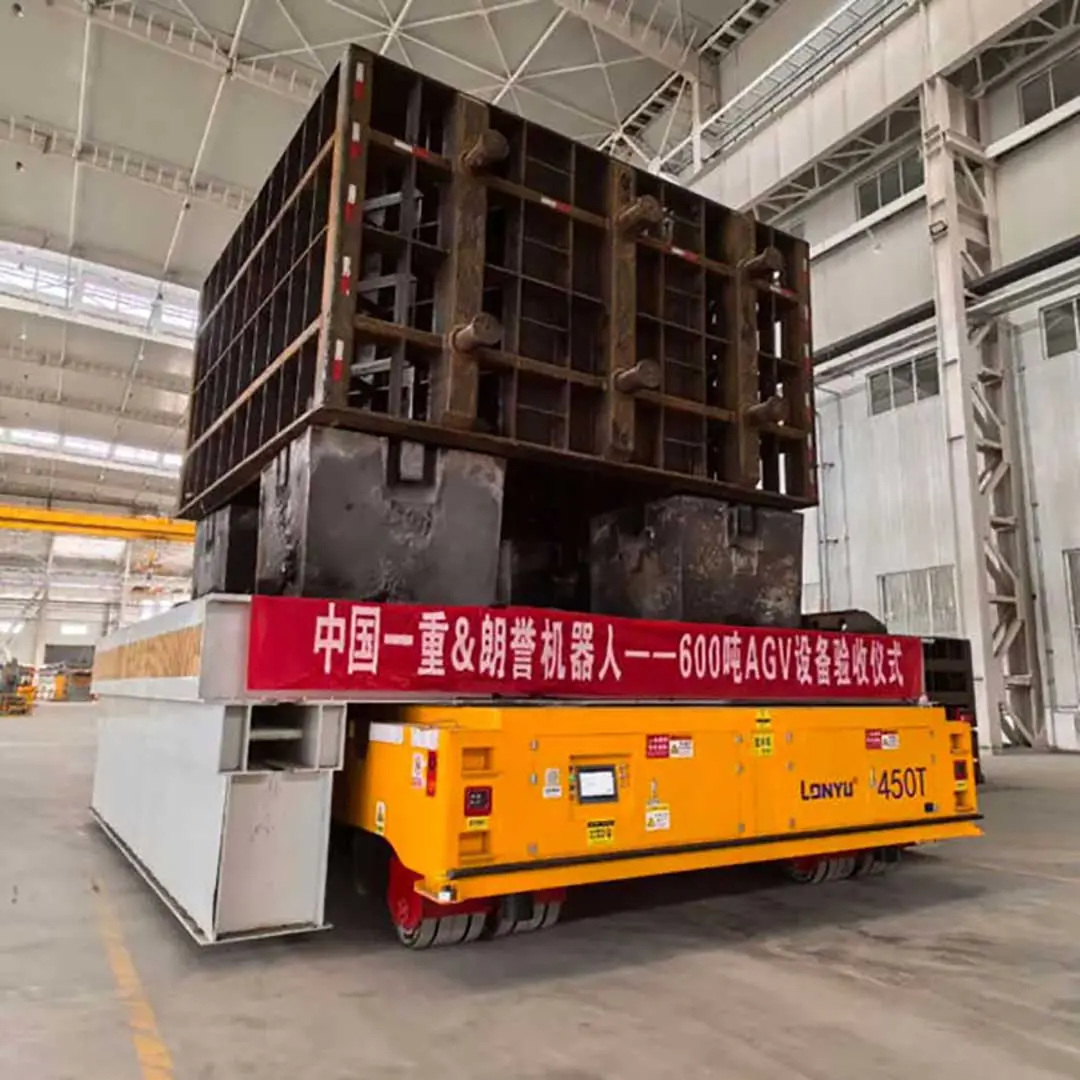
Table 1: Harsh Environment Pain Points & Lonyu Product Solutions
| Harsh Working Environment | Handling Pain Points & Risks | Lonyu Recommended Product Line & Core Technologies |
| High-Temperature (Large Steel Mold Transfer) | Battery thermal runaway, electronic control system crashes, radiation damage | Automatic mold transfer system: High-temperature resistant insulated compartment and liquid cooling ensure stable docking and transport. |
| Heavy Dust (Wind Power, Building Materials) | LiDAR obstruction (“blindness”), severe bearing wear | Backpack heavy duty AGV: IP67 protection, dual-mode SLAM + magnetic navigation for anti-interference. |
| Uneven Ground (Outdoor Factories, Shipyards) | Frame twisting, wheel suspension & skidding under heavy loads | Outdoor unmanned AGV: Adaptive balance suspension chassis, anti-skid solid tires for smooth crossing. |
Challenge 1: High–Temperature Environment (Mold and Metallurgy) -AGV Influence and Lonyu Solution
Industrial Heat & Heavy Loads: A Dual Test
In foundries and molding workshops, large steel molds and hot metal components emit intense radiant heat, often pushing ambient temperatures above 50°C. Standard AGVs struggle in this respect: lithium-ion batteries are at risk of thermal runaway at High-temperatures, while circuit boards and communication modules suffer from signal loss, system collapse or permanent damage. Even a 10-minute shutdown can cause the entire production lines to stop for the operation of the mold transfer car, which is critical for maintaining accuracy and operational reliability.
According to industry data from Research Nester, in the high-temperature manufacturing environment, heat-related failures account for 38% of the downtime of AGV. Traditional cooling methods-fans or passive radiators-have proven to be ineffective under continuous extreme heat conditions, so a purpose-built solution is urgently needed.
Lonyu’s Automatic Mold Transfer System: Heat Protection Technologies
Lonyu’s automatic mold transfer system redefines the treatment of high-temperature material by using unique thermal protection engineering. Key innovations include:
- Mechanical Heat Isolation: Multi-layer composite heat shields block radiant heat, preventing conduction to core components.
- High-Temperature Coatings: Ceramic coatings on the chassis and frame can withstand continuous radiant heat up to 120°C.
- Sealed Electronic Cabinets: independent sealed control cabinets are equipped with industrial micro air conditioner, which can keep the internal temperatures below 35 degrees Celsius, even when external temperatures exceed 60 degrees Celsius.
- Liquid-Cooled Battery Packs: Proprietary liquid cooling stabilizes battery temperatures, eliminating thermal runaway risks and preserving cycle life.
This design enables Lonyu’s mold transfer cart to run all day in metallurgical plants, and safely transport 60–150 tons of hot molds between casting, cooling and processing stations.
Challenge 2: Precision Navigation in Dusty & Interference-Prone Environments (Wind Power & Heavy Industry)
How Dust Paralyzes Standard AGVs
Fine industrial dust—from wind turbine component manufacturing, cement production, or metalworking—coats sensors and mechanical parts, causing two critical failures:
- Navigation Failure: Dust layers on laser scanners and vision cameras blur the SLAM map data, resulting in wrong positioning, incorrect obstacle detection or complete blindness.
- Mechanical Degradation: Debris accelerates wear on bearings, gears and drive systems of trackless transfer cart, and the maintenance requirements increase by 400% compared to clean environment.
In wind power facilities, where large blades and generator components generate massive dust volumes, standard AGVs require constant cleaning and fail regularly—costing manufacturers an estimated $25,000 per incident in production losses.
Multi-Mode Navigation & High-Grade Physical Protection
Lonyu’s trackless transfer cart and heavy-duty AGVs solve dust issues through dual-layer protection.
Advanced Multi-Modal Navigation:
- Dust-Resistant Sensor Suite: Sealed, pressurized LiDAR and camera systems with self-cleaning air curtains prevent dust accumulation.
- Dual-mode navigation: the system automatically switches from SLAM-based mapping to magnetic navigation (indoor) or RTK-GPS (outdoor), maintaining positioning accuracy within 10 mm in extreme dust.
- Redundant Inertial Measurement: If the primary system fails, the standby inertial navigation can ensure continuity.
Complete physical Protection:
- IP 67 waterproof/dustproof rating: the whole transmission system, motors and electronic equipment are sealed to prevent particles and moisture from entering.
- Sealed Transmission: Gearboxes and bearings are protected from dust by multi-lip sealing and pressurized lubrication.
- Modular Design: Easy-to-clean exterior panels simplify maintenance without exposing sensitive parts.
These features let Lonyu’s trackless transfer cart operate reliably in wind power plants, continuously moving 80–120 ton generator components through dust-heavy workshops.
Challenge 3: Stable Heavy-Load Travel on Rough Outdoor Terrain
Catastrophic Risks of Uneven Ground with 100+ Ton Loads
Transporting 60–150 tons of goods on rough surfaces will produce great mechanical stress. When wheels are suspended on potholes or uneven surfaces, concentrated weight can:
- Axle Failure: Sudden load transfer shears the traditional shaft designs.
- Twisted Frames: High torque twisting damages the integrity of the chassis and can not be repaired.
- Loss of Traction: Uneven weight distribution will destroy traction and lead to out-of-control motion.
Shipyards and outdoor manufacturing facilities—with gravel, concrete cracks and 5% slopes—are ideal conditions for these failures. Standard AGVs, designed for smooth indoor floors, cannot safely navigate such terrain with ultra-heavy loads.
Lonyu‘s Omnidirectional Chassis & Adaptive Suspension
Lonyu’s outdoor unmanned AGV and omni-directional lifting AGV have conquered rugged terrain with advanced chassis engineering.
Adaptive Hydraulic Suspension:
- Independent wheel control: Each wheel has hydraulic suspension, which can be actively adjusted according to terrain to maintain a constant grounding.
- Intelligent torque distribution: On-board artificial intelligence optimizes power to wheels, prevents slipping and balances loads.
- “Caterpillar Effect”: The chassis adapts to ground contours, and the weight is evenly distributed on all wheels, even if the obstacles exceeding 150 mm.
Heavy duty Construction:
- Reinforced Steel Frame: High-tensile steel resists twisting under 150 ton loads.
- Solid Anti-Skid Tires: Industrial rubber compounds provide traction on wet, oily, or rough surfaces.
- Heavy power transmission system: high-torque motors provide 200% more power than standard AGV, and climbs the hill at full load by 5%.
Real-World Application: Lonyu’s outdoor AGVs reliably transport wind turbine main shafts and drive systems across indoor/outdoor zones—including gravel yards and uneven concrete—with zero incidents in over 300 global installations. The 150 ton Heavy Duty AGV model crosses 200 mm potholes and obstacles without load shifting or chassis stress.
Why Global Heavy Industries Choose Lonyu Robot
Brand and technical strength
Founded in 2008, Lonyu Robot is a leading AGV manufacturer with over 300 employees—55% in R&D—making it China’s only company integrating mechanical, electrical, software, and systems engineering for heavy-duty AGVs. This full-stack capability supports unparalleled customization for harsh environments.
Industry Expertise
Lonyu solutions serves demanding industries.
- Shipbuilding: 150 ton of outdoor AGV transport vessels pass through rough sites.
- Wind Power generation: Dust-proof AGV handle generator parts.
- Metallurgy: Heat-resistant mold conveyor systems runs in foundries.
- Energy Storage: Cold-room AGVs manage battery modules.
- Heavy Manufacturing: Ultra-heavy load transport for steel and machinery.
Service Commitment
- 1-Hour Response: Global support team responds within 60 minutes.
- 3-Hour On-Site: Technicians arrive on-site within 3 hours in key regions.
- 24-Hour Solutions: Complete resolution within 24 hours.
- Lifetime Software Updates: Free upgrades for all systems.
Table 2: Heavy-Duty AGV Comparison – Standard vs. Lonyu Custom
| Core Specifications | Standard Heavy-Duty AGV | Lonyu Heavy-Duty AGV (Harsh Environment Custom) |
| Load Capacity | 10–30 tons max | 60 tons, 150 tons, custom up to 300 tons |
| Operating Surfaces | Indoor smooth epoxy only | Indoor/outdoor: concrete, asphalt, gravel, slopes |
| Environmental Rating | IP54 (indoor) | IP67 (waterproof/dustproof) |
| Temperature Range | 0–45°C | -20°C to +65°C |
| Multi-Vehicle Linkage | Rarely supported | Double vehicle linkage for oversized loads |
| System Integration | Third-party dependent | Full-stack in-house integration |
| Navigation | Single-mode laser only | Multi-mode SLAM/magnetic/RTK-GPS/inertial |
FAQs
Q: Can Lonyu outdoor AGVs operate in rain, snow, or standing water?
A: Yes, they are designed for complex weather conditions, and the core electronic devices and drivers are protected by IP 67. Anti-skid solid tires and outdoor navigation systems can cope with rain and snow and moderate water accumulation.
Q: Can a 60-ton AGV climb 5% factory slopes?
A: Of course. Lonyu’s AGVs use high-torque motors and multi-wheel drives, and they can safely climb 5% slopes at a controlled speed with a full load capacity of 60 tons.
Q: What’s the lead time for custom high-temperature/dust-proof AGVs?
A: Lonyu’s flexible production lines and annual production capacity of 2,000 units can quickly deliver highly customized solutions, including heat insulation boxes and special chassis, far exceeding the industry averages.
Conclusion
From shipyard rough terrain to high-temperature mold workshops, Lonyu Robot—an innovative AGV manufacturer—has proven reliable in extreme conditions. Its trackless transfer cart, mold transfer cart and outdoor AGV production lines combine heavy load capacity, environmental adaptability and intelligent navigation to solve the most difficult handling challenges of heavy industry.
Is your factory struggling with High-temperatures, a lot of dust or rugged terrain? Contact Lonyu Robot today for a free heavy-duty AGV assessment and customized quote. Learn how our 60–150-ton solutions can improve safety, efficiency, and reliability in your operations.